


Creatine Monohydrate vs Creatine HCL vs Creatine Blends: What’s Best in the UK? (2025 Guide)
Written by Warrior – the UK’s Creatine Authority.
⚡ TL;DR – Monohydrate vs HCL vs Blends
- Creatine monohydrate is still the gold standard – most researched, most effective, best value. It’s the right choice for almost everyone.
- Creatine HCL is marketed as “better” because it’s more soluble, but evidence that it’s more effective than monohydrate is weak.
- Creatine blends add extra benefits (hydration, collagen, vitamins, energy, EAAs) on top of monohydrate – ideal if you want more than just pure creatine.
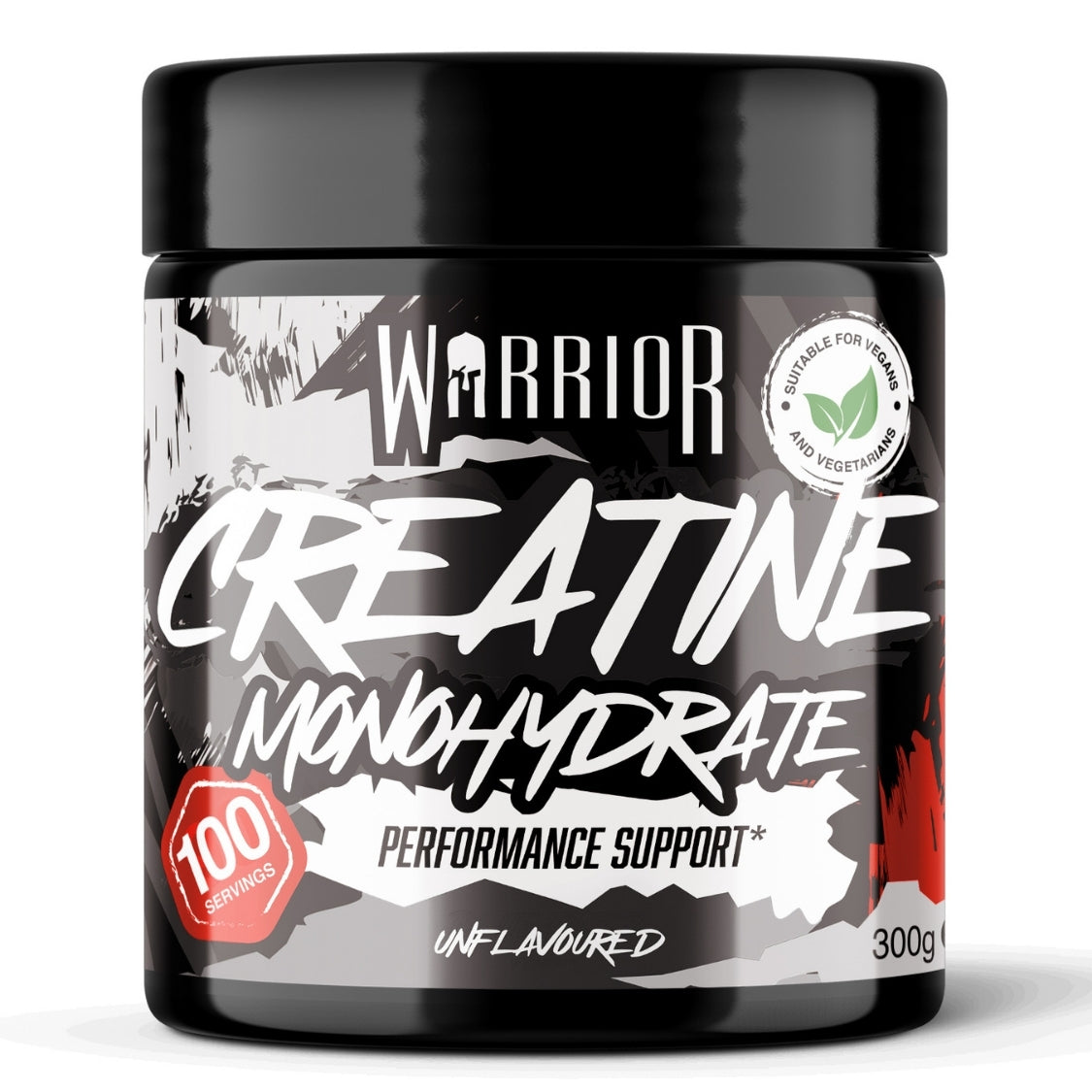
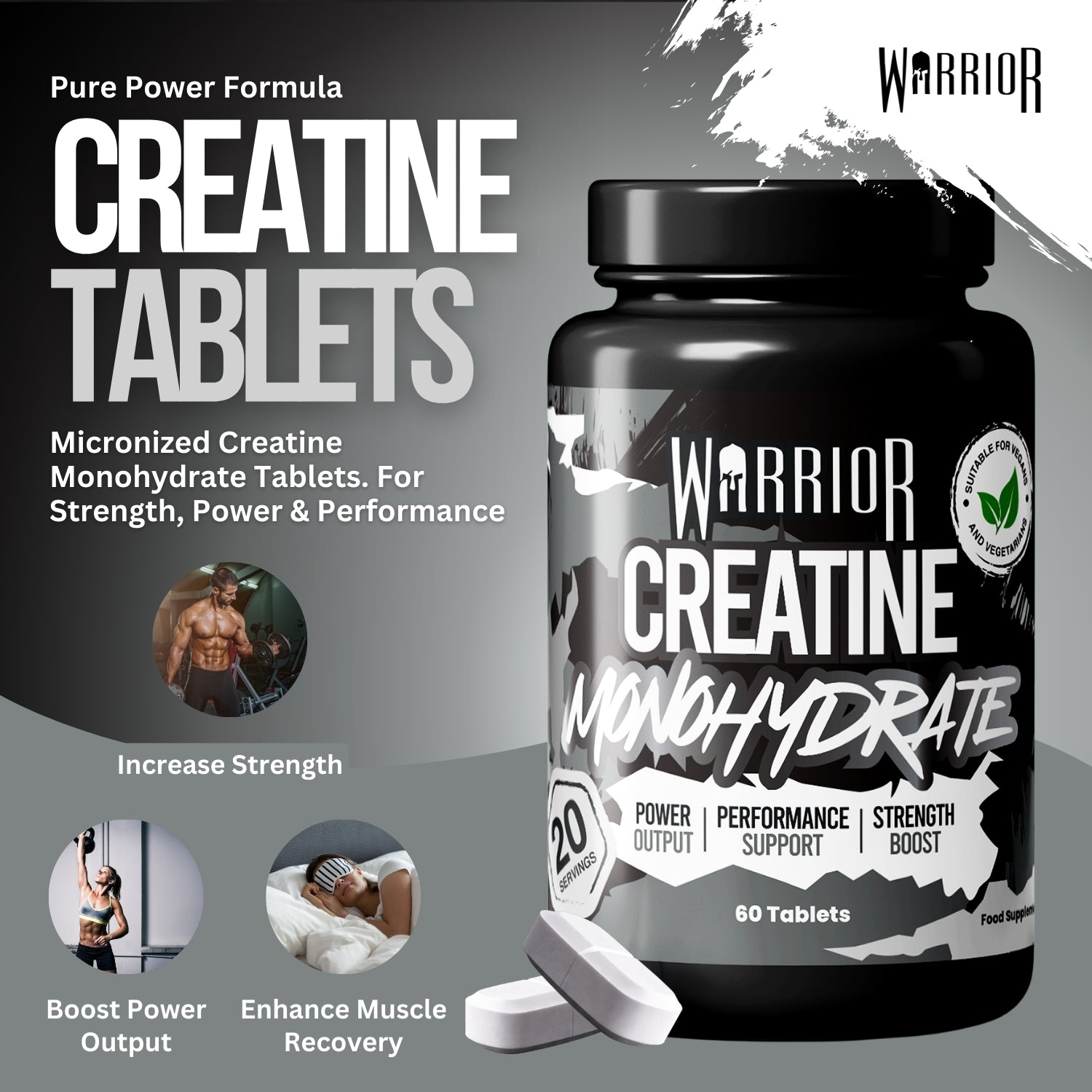
- Best pure creatine: Warrior Creatine Monohydrate Powder.
- Best creatine blend: the Warrior Creatine Plus Range (Electrolytes, Collagen, Vitamins, Energy).
Bottom line: If you just want the most proven, cost-effective creatine, choose monohydrate. If you want extra benefits (hydration, collagen, vitamins, energy), choose a Warrior Creatine Plus blend.
Why There’s So Much Confusion About Creatine Types
If you’ve ever searched “best creatine” or “monohydrate vs HCL”, you’ve seen the chaos:
- Some brands claim HCL is “better in every way”
- Others say you must buy patented forms or fancy blends
- Most people just want to know: what should I actually take?
This guide strips out the marketing and focuses on what matters:
- What creatine monohydrate is and why it’s still #1
- What creatine HCL is – and what the research actually says
- Where creatine blends (like Warrior Creatine Plus) make sense
- Which one you should choose in 2025 if you live and train in the UK
If you’re completely new to creatine, start with What Is Creatine? The Ultimate Beginner’s Guide and How to Take Creatine for Best Results, then come back here.
Creatine Monohydrate: The Gold Standard
What is creatine monohydrate?
Creatine monohydrate is creatine bound to a water molecule. It’s the form used in the vast majority of creatine research over the last few decades.
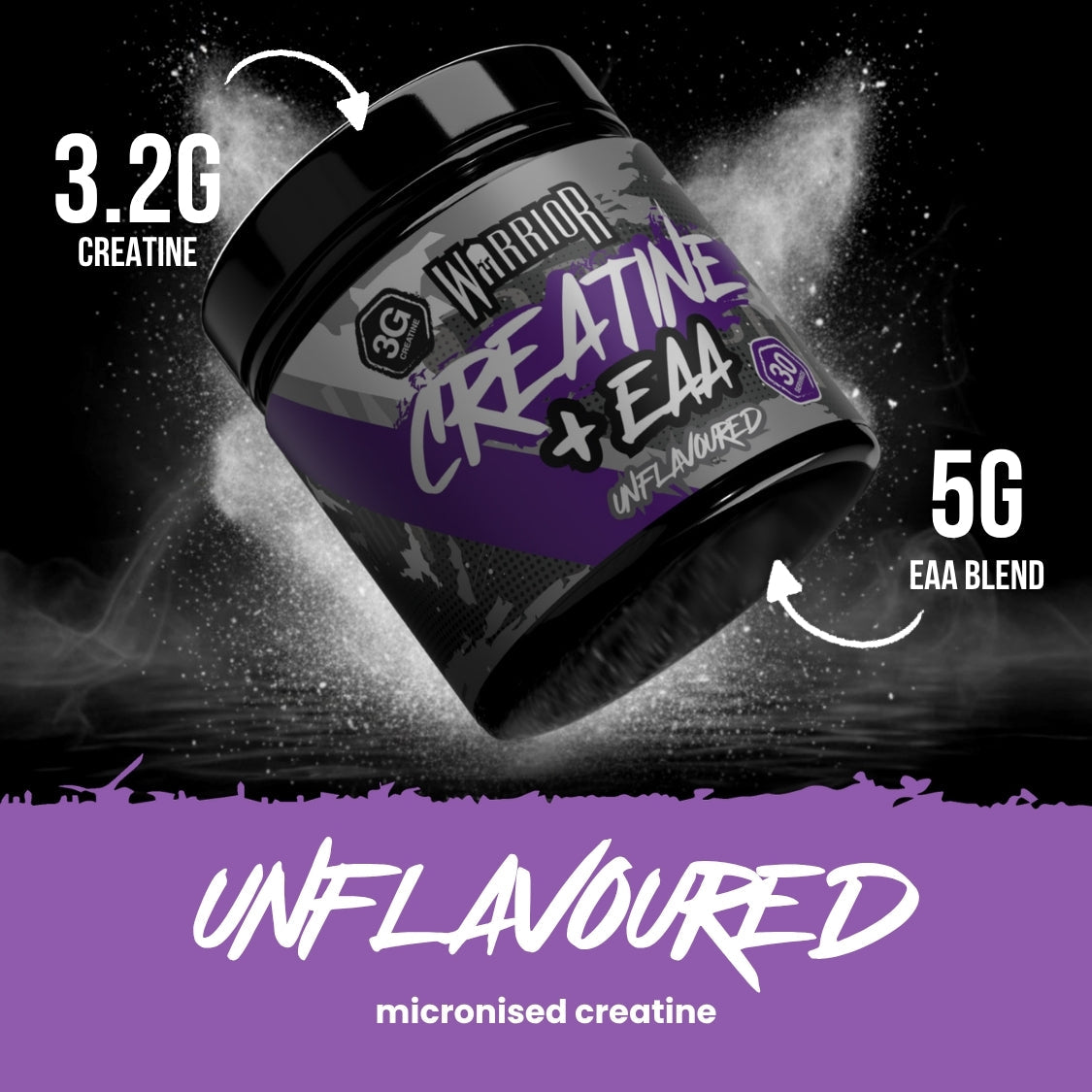
Warrior Creatine Monohydrate Powder is exactly that: pure, micronised creatine monohydrate with no nonsense.
Why monohydrate is still #1
- Most researched: thousands of studies, in men and women, across ages and sports.
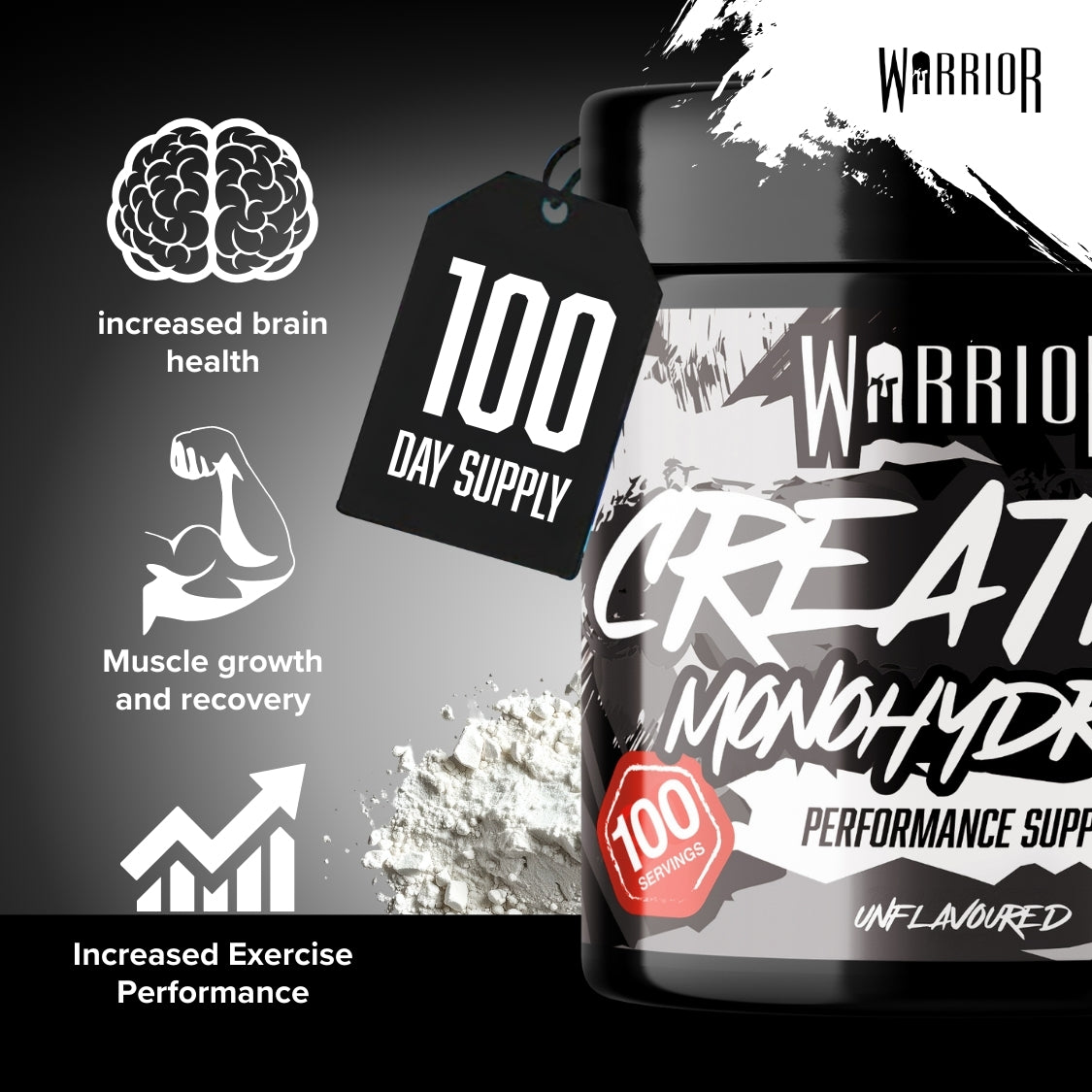
- Proven effective: strength, power, muscle, performance, recovery, brain and healthy ageing benefits.
- Best value: lowest cost per effective dose (3–5g per day).
- Easy to dose: one small scoop per day – that’s it.
- Flexible: you can add it to water, juice, or your protein shake.
When creatine monohydrate is the right choice
- You want what works and don’t care about hype
- You prefer the most cost-effective option
- You’re building your first serious supplements stack
- You’re happy to mix a scoop in liquid once per day
Shop Warrior Creatine Monohydrate →
Creatine HCL: What It Is (and Isn’t)
What is creatine HCL?
Creatine hydrochloride (HCL) is creatine bound to a hydrochloride group. The main marketing claims are:
- It’s more soluble in water
- You can supposedly take a smaller dose
- It may cause less bloating or stomach discomfort for some people
Is creatine HCL more effective than monohydrate?
This is where the hype often outruns the evidence. A few key points:
- There is far less research on HCL than on monohydrate.
- Some studies suggest similar outcomes at lower doses, but the data set is small.
- No strong evidence shows HCL builds more strength/muscle than monohydrate in real-world training.
- Many claims about HCL are based on solubility, not outcome-based results.
In other words: creatine HCL can work, but there’s no convincing reason to say it’s better than monohydrate for most people.
When creatine HCL might be useful
There are a few edge cases where HCL can make sense:
- You’ve genuinely tried monohydrate at sensible doses and get consistent stomach issues (after fixing everything else – hydration, timing, mixing)
- You need extremely small servings for specific reasons (e.g. stacking multiple creatine sources in tiny drinks)
Even then, many of those issues can be resolved by:
- Splitting your monohydrate dose into 2–3 smaller servings
- Taking it with food
- Using a high-quality, micronised monohydrate like Warrior Creatine Monohydrate
Creatine Blends: Monohydrate Plus Extra Benefits
While monohydrate is perfect on its own, sometimes you want more from your daily scoop: hydration, vitamins, collagen, energy, amino acids. That’s where creatine blends come in.
The Warrior Creatine Plus Range uses creatine monohydrate as the foundation and adds targeted ingredients for specific goals:
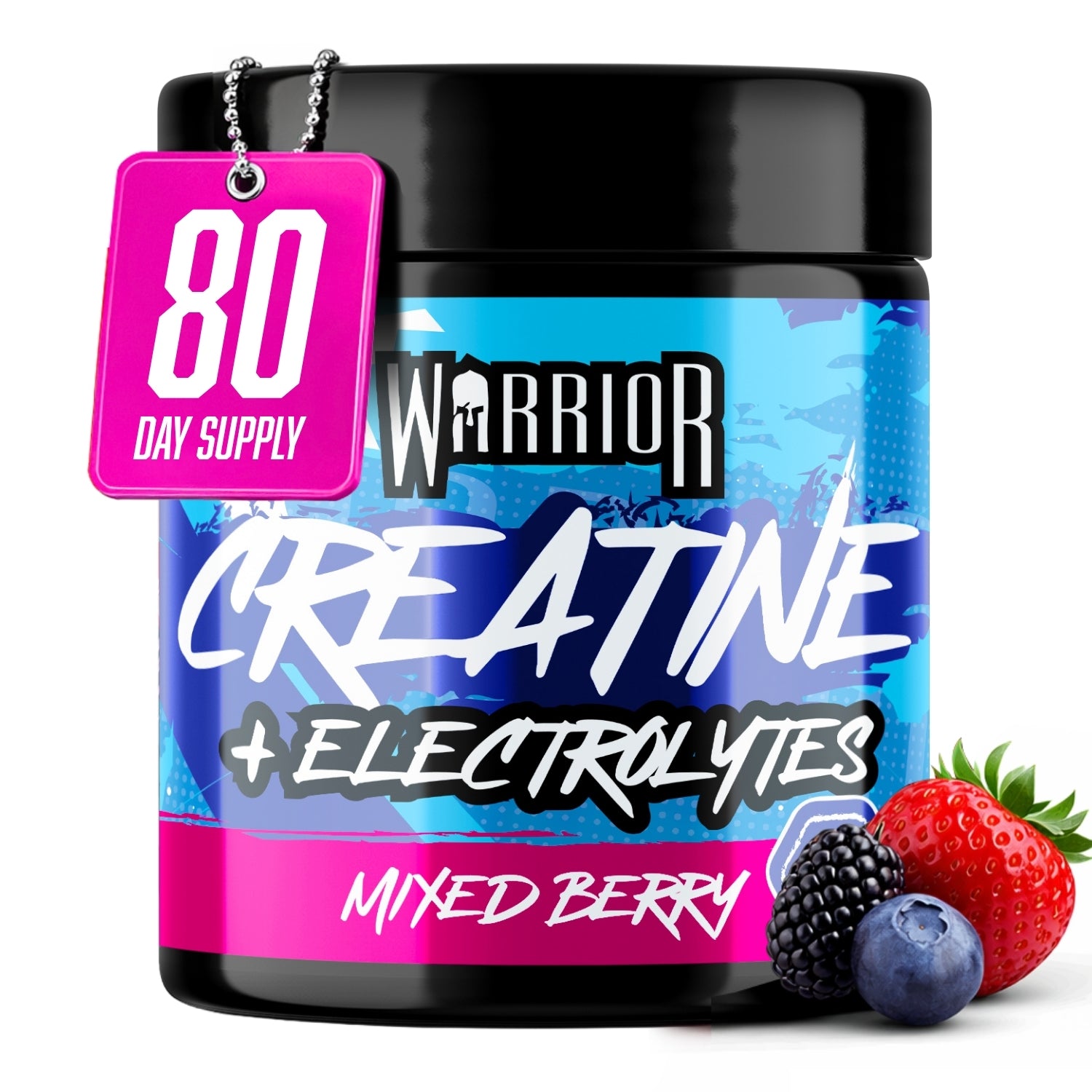
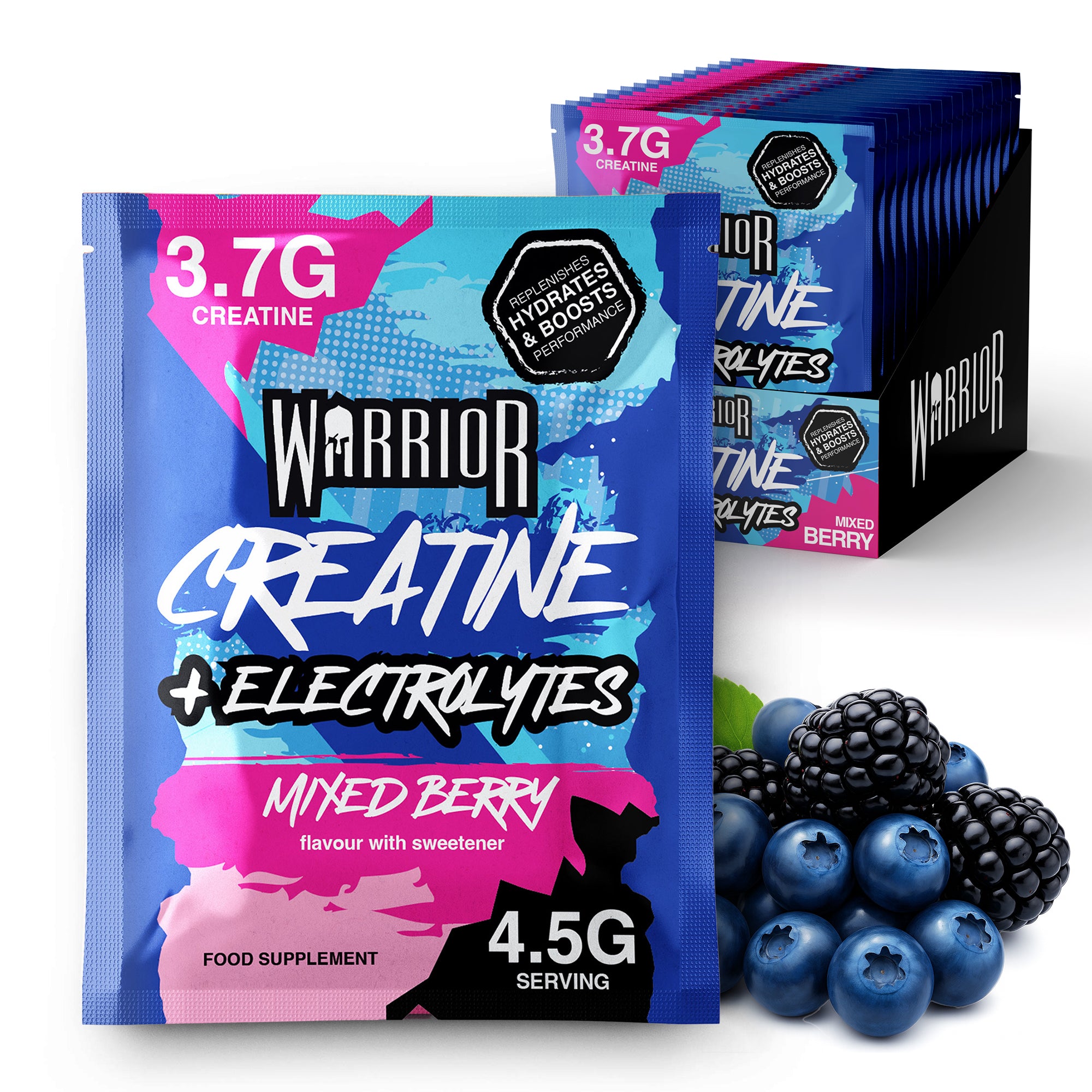
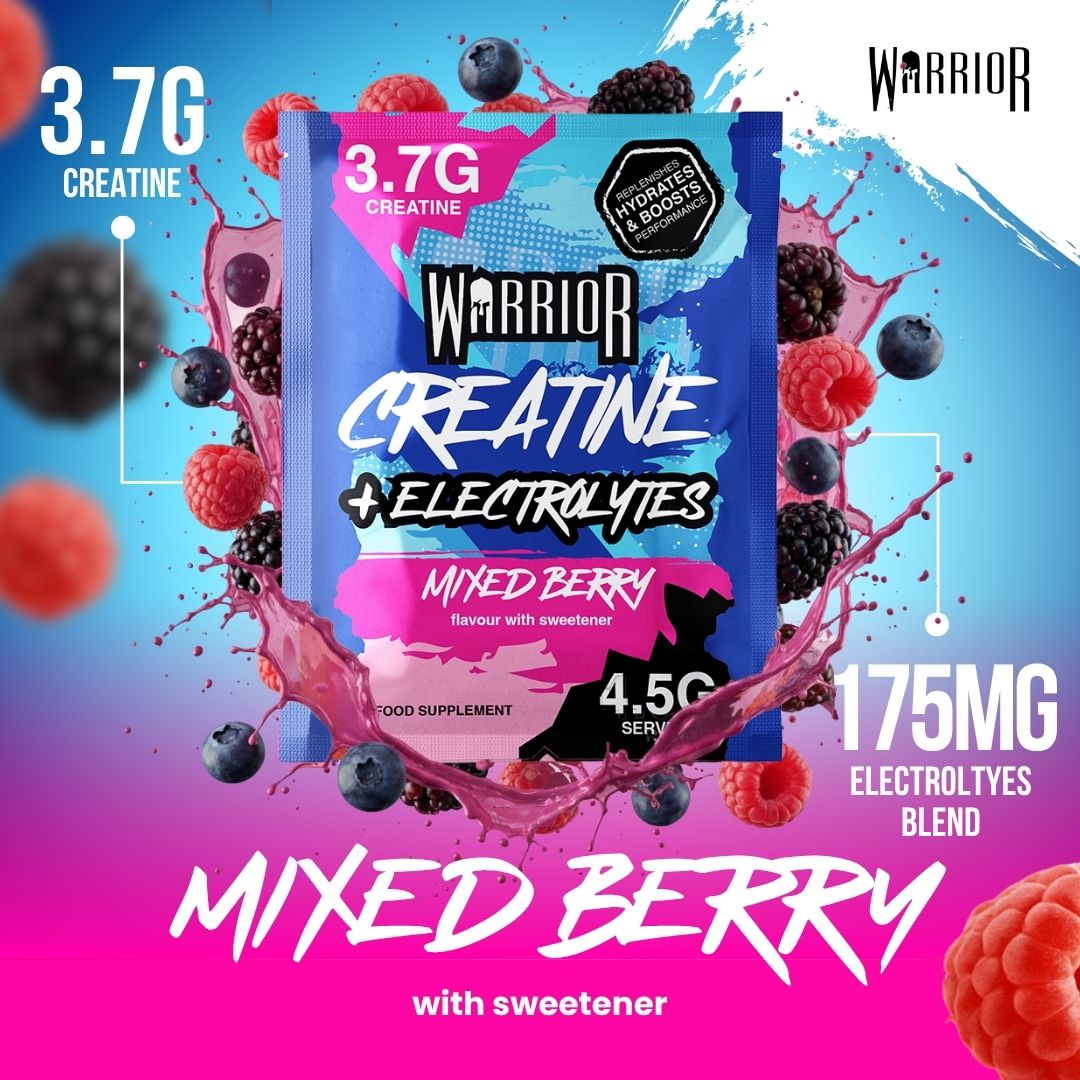
- Creatine Plus Electrolytes – for hydration & performance
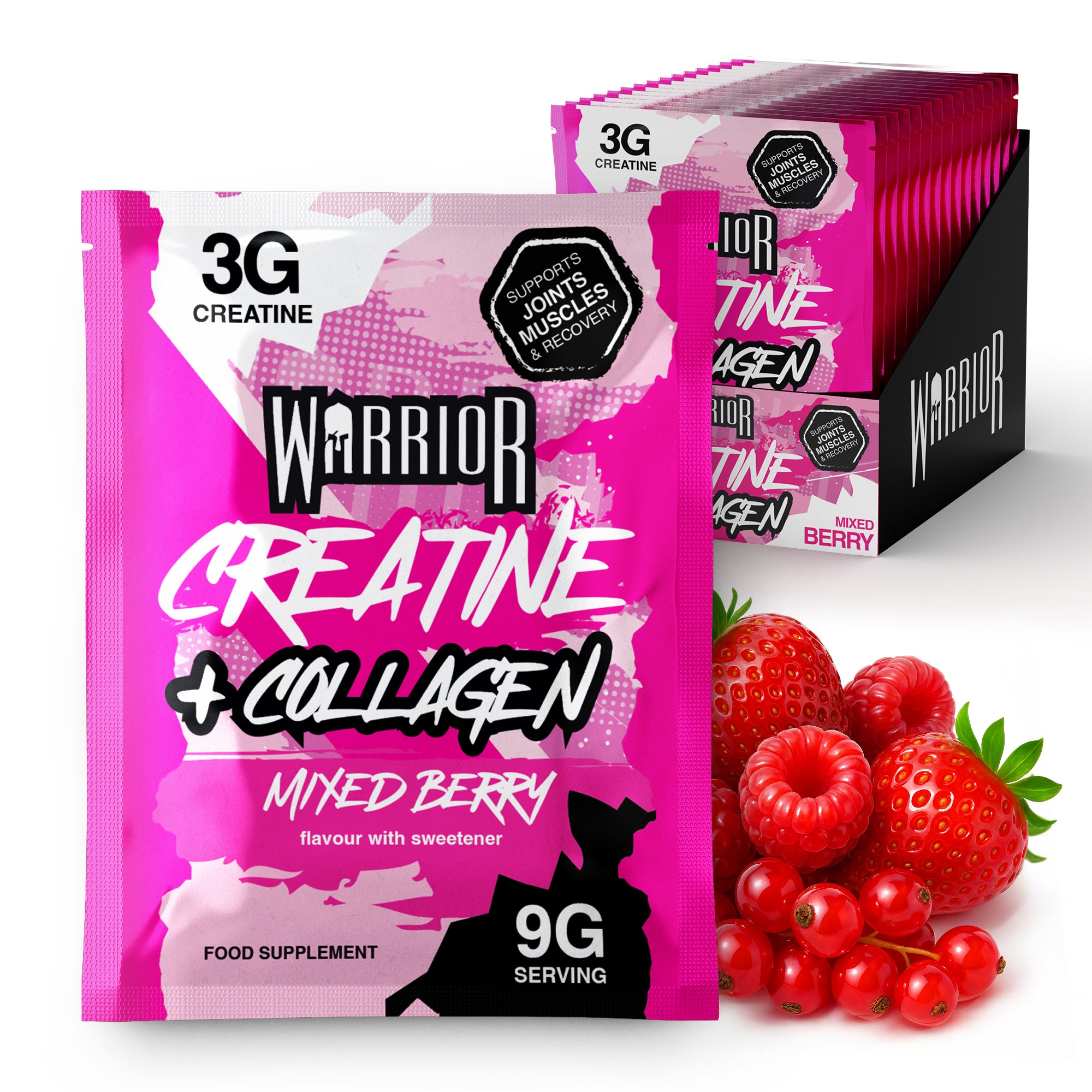
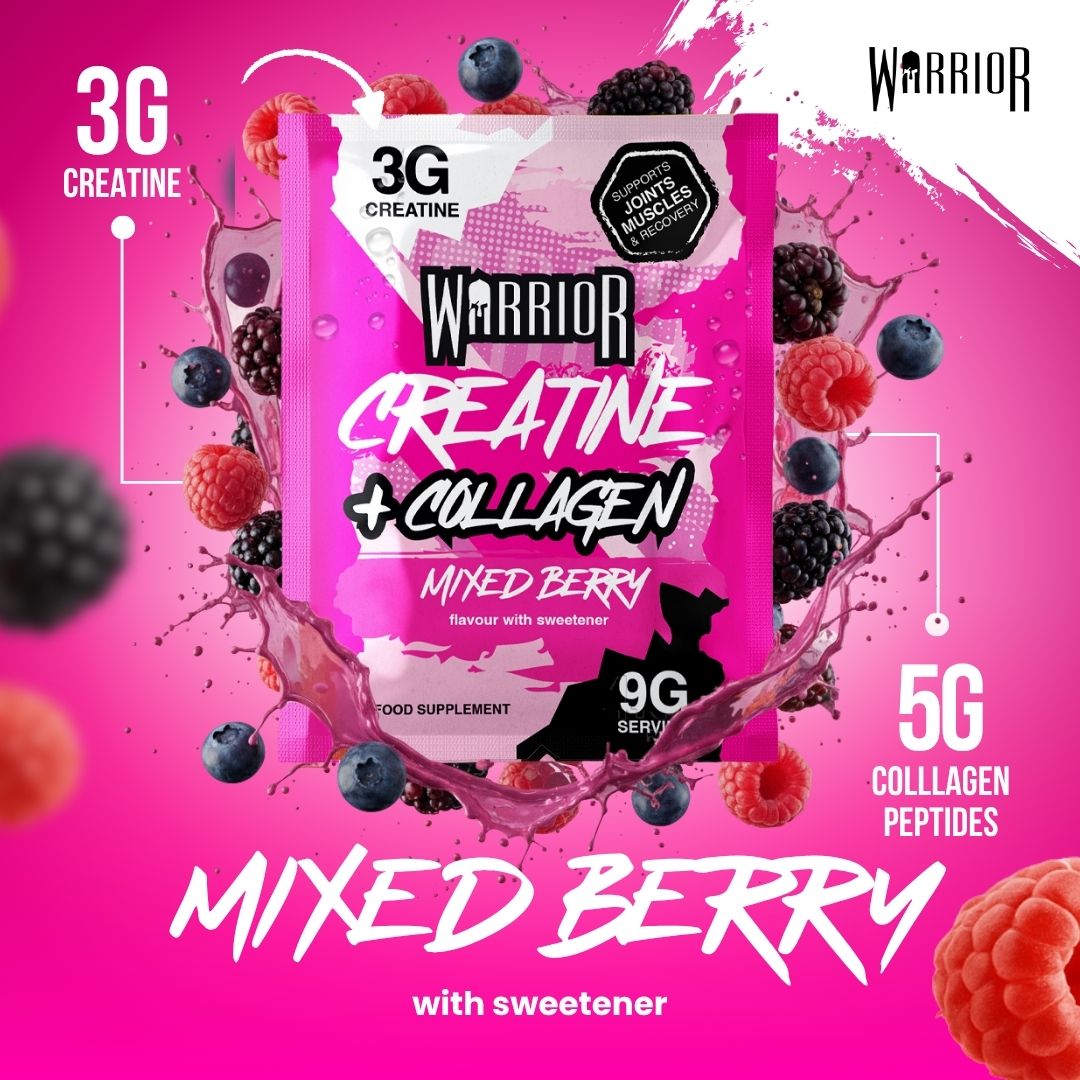
- Creatine For Women | Plus Collagen – for women’s strength & joint support
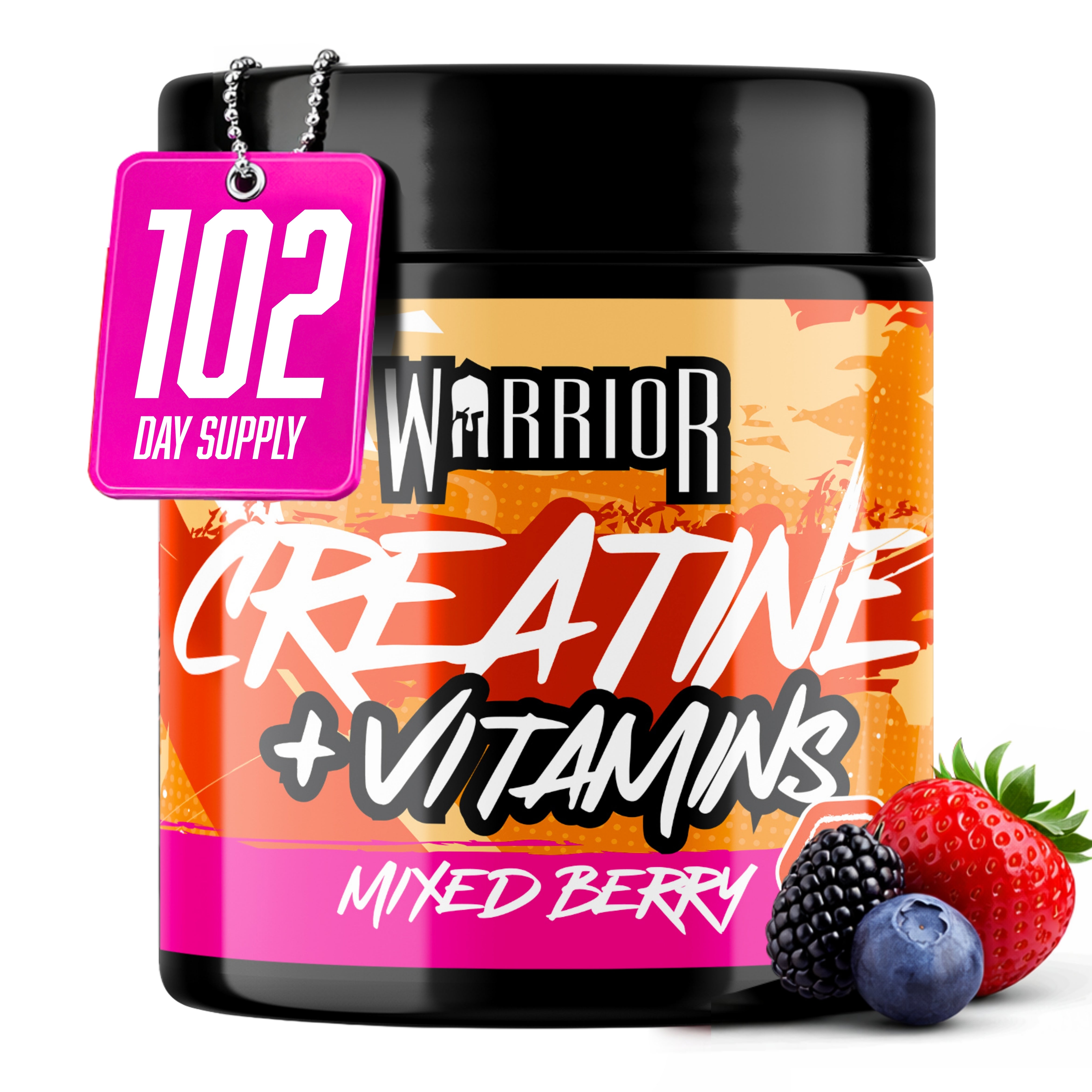
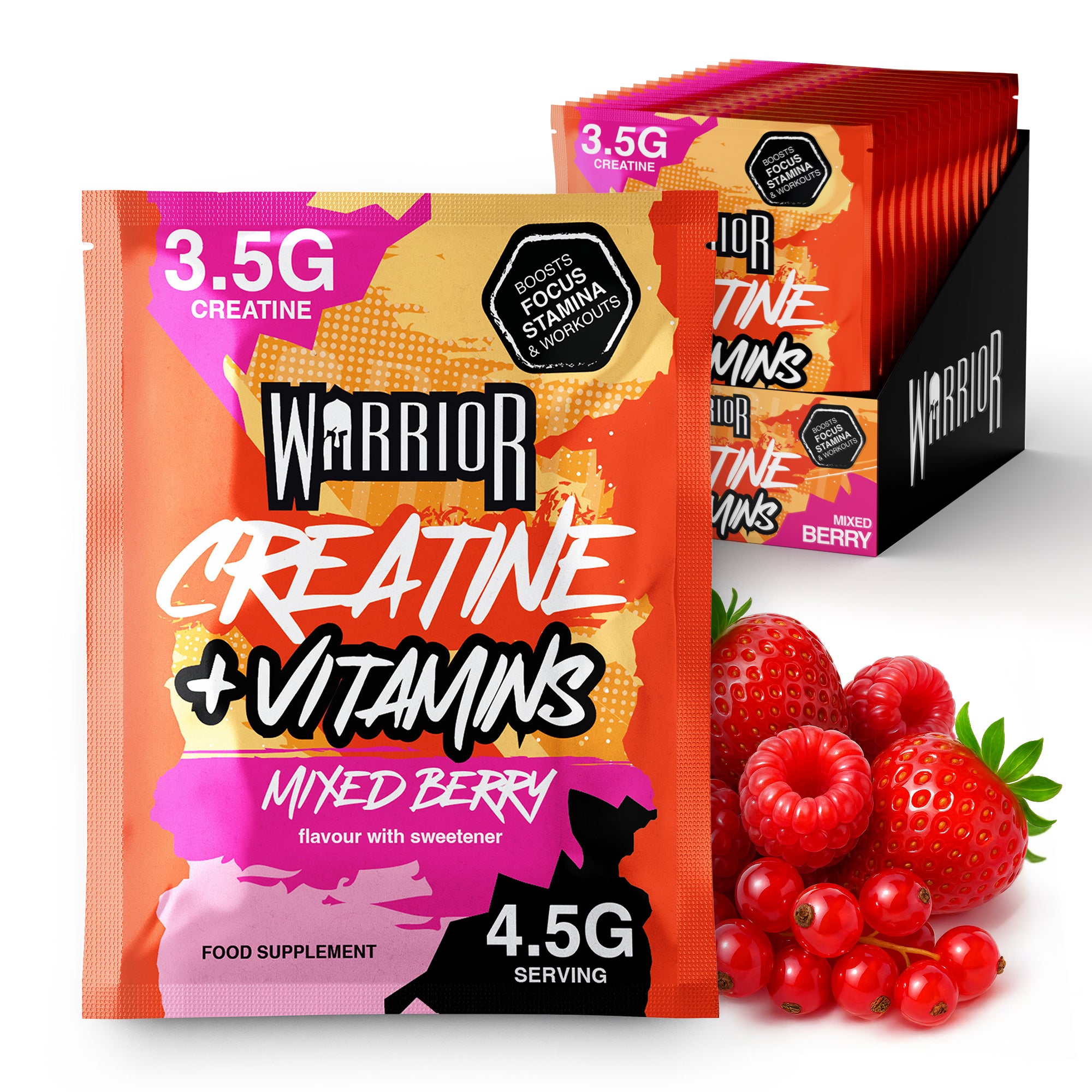
- Creatine Plus Vitamins – for daily wellness & performance
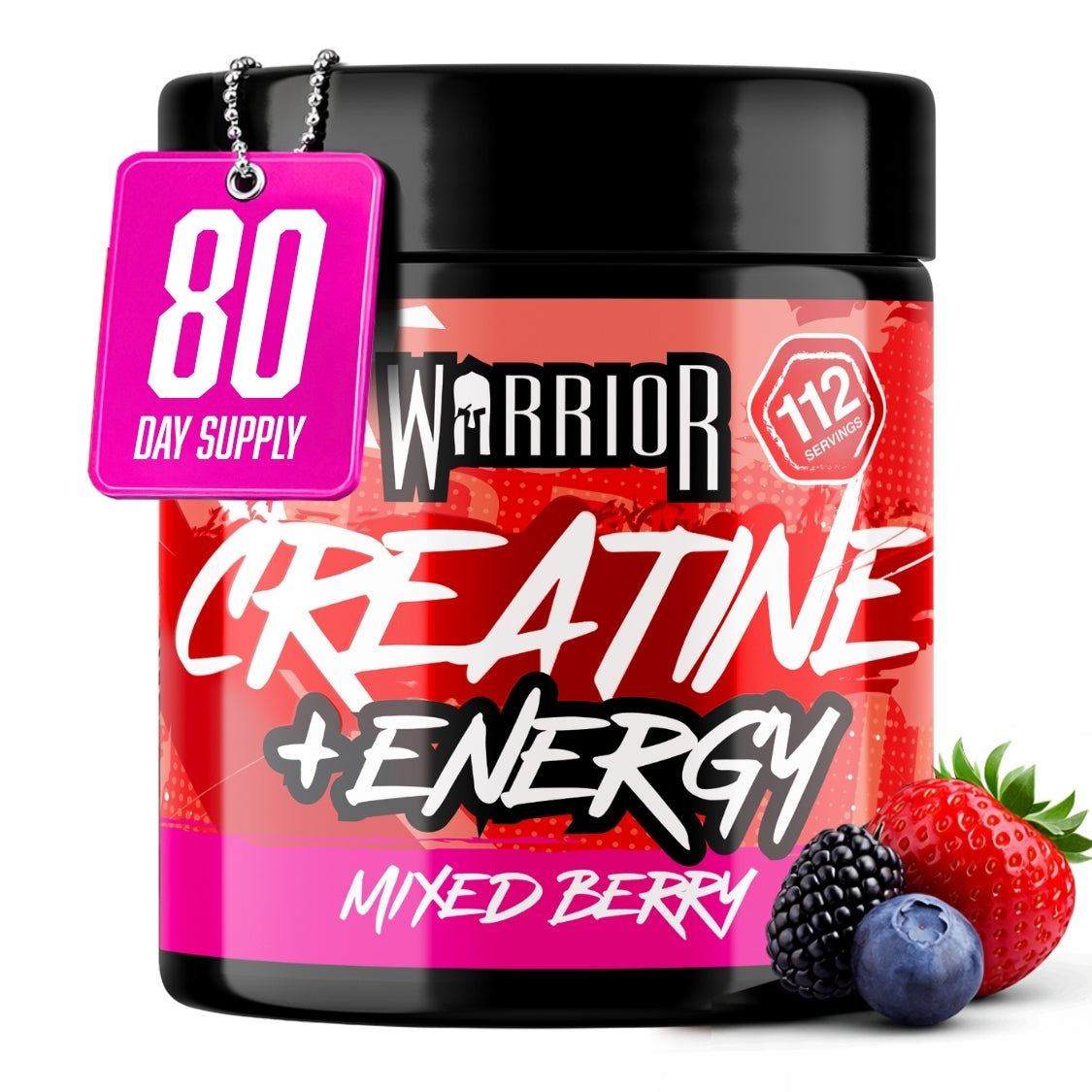
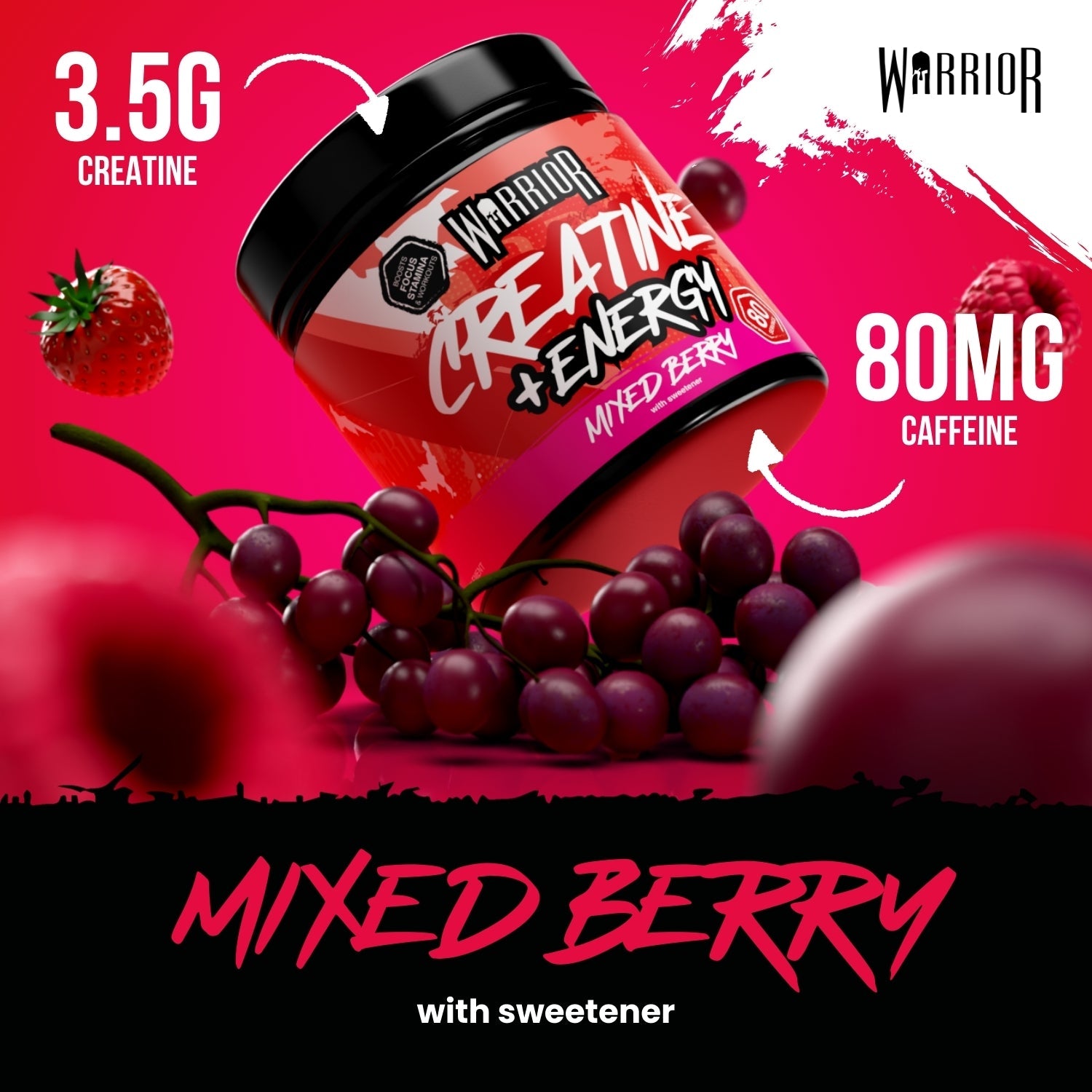
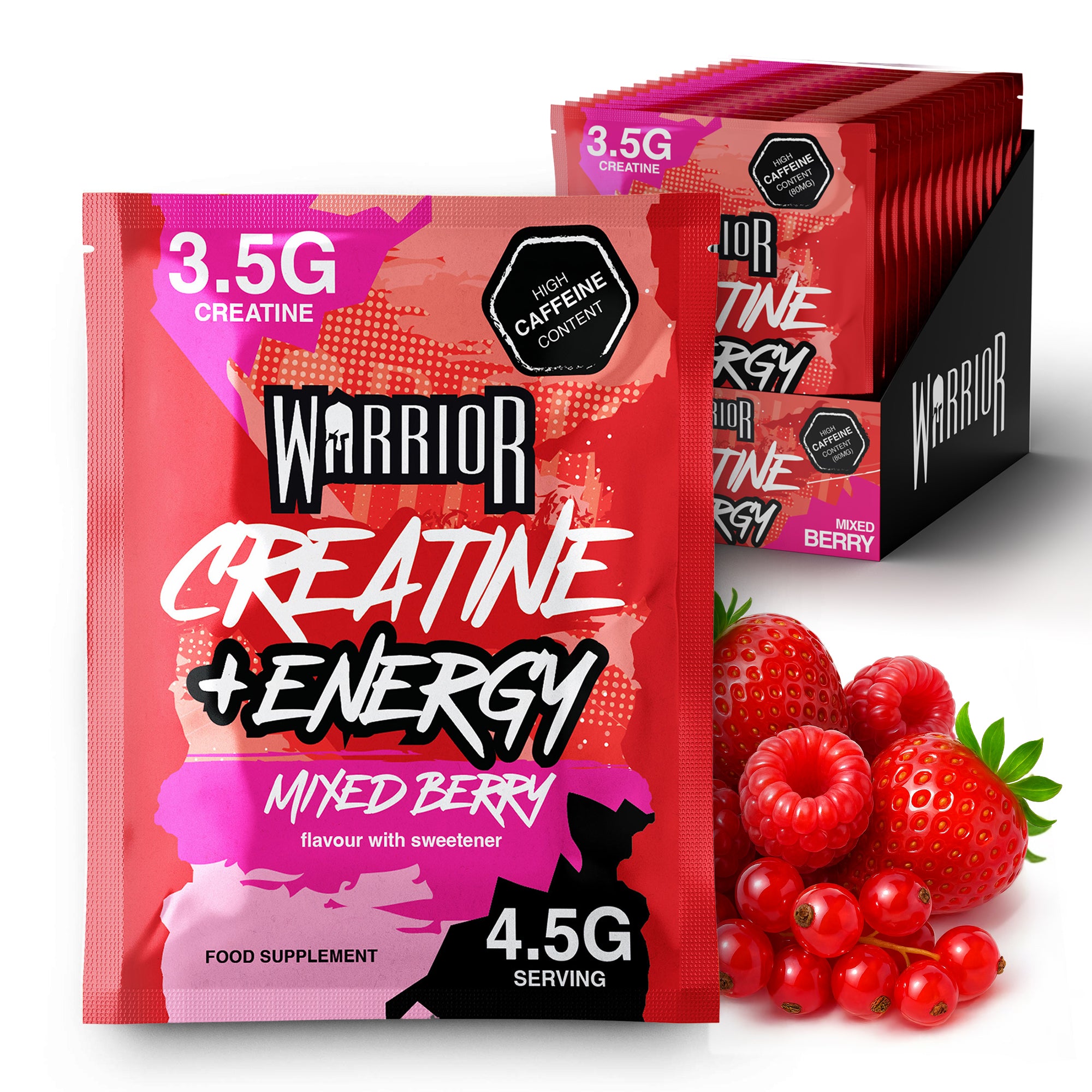
- Creatine Plus Energy – for energy & focus pre-workout
All of these still rely on monohydrate as the core creatine form – you’re not losing the proven benefits, you’re adding extra support around them.
Monohydrate vs HCL vs Blends: Head-to-Head Comparison
| Type | Pros | Cons | Best For |
|---|---|---|---|
| Creatine Monohydrate | Most researched, proven effective, best value, easy to dose and stack with other supplements. | Requires mixing in liquid; a small minority report mild stomach discomfort if they overdo dose or under-drink water. | Almost everyone: beginners, lifters, athletes, men and women who want results and value. Shop Warrior Creatine Monohydrate |
| Creatine HCL | More soluble; may be easier on the stomach for some; smaller serving size. | Less research; usually more expensive; no clear advantage in real-world results over monohydrate for most people. | Niche cases: people who truly can’t tolerate monohydrate despite trying sensible strategies. |
| Creatine Blends (Monohydrate + Extras) | Combine proven creatine monohydrate with other helpful ingredients like electrolytes, collagen, vitamins or energy complexes. | Slightly higher cost per serving vs pure monohydrate; you’re paying for convenience and extra benefits. | People who want more than just creatine: hydration, wellness, energy or women’s-specific support. Explore Warrior Creatine Plus Range |
Which Creatine Should YOU Take?
Choose Monohydrate If:
- You want the most scientifically backed option
- You care about value for money
- You’re happy to mix one scoop per day in water or a shake
- You’re building your first serious stack
Recommended: Warrior Creatine Monohydrate Powder
Consider HCL If:
- You’ve tried a high-quality monohydrate at 3–5g/day
- You’ve experimented with timing, hydration and splitting the dose
- And you still get consistent GI issues that you’ve ruled out with a professional
Even then, many people do better simply by switching to micronised monohydrate and taking it with food.
Choose a Creatine Blend If:
- You want creatine plus extra benefits in one scoop
- You like “set-and-forget” products tailored to your goals
- You want hydration, energy, vitamins or collagen built in
Great options include:
- Creatine Plus Electrolytes – for strength + hydration
- Creatine For Women | Plus Collagen – for women’s performance + joint support
- Creatine Plus Vitamins – for training + everyday wellness
- Creatine Plus Energy – for pre-workout energy + creatine in one
How to Take Creatine (Any Type) for Best Results
No matter which form you choose, the fundamentals stay the same:
- Daily dose: aim for a total of 3–5g creatine per day.
- Timing: any time of day works; many people prefer after training or with a meal.
- Rest days: keep taking creatine – consistency is key.
- Hydration: drink water through the day; consider Creatine Plus Electrolytes if you sweat a lot.
For a step-by-step breakdown, see How to Take Creatine for Best Results.
FAQs – Creatine Monohydrate vs HCL vs Blends
Is creatine monohydrate still the best type of creatine?
Yes. For most people, creatine monohydrate is still the best choice: it’s the most researched, effective, and cost-efficient form. That’s why products like Warrior Creatine Monohydrate use it as the base.
Is creatine HCL better than monohydrate?
There isn’t strong evidence that creatine HCL is more effective than monohydrate for real-world performance and muscle gain. It’s more soluble and some people find it easier on the stomach, but monohydrate remains the gold standard for most lifters and athletes.
Do I need a creatine blend, or is monohydrate enough?
Monohydrate alone is enough to get the core creatine benefits. Blends become useful when you want additional support – like hydration (electrolytes), joint and tissue support (collagen), wellness (vitamins) or energy and focus. That’s what the Warrior Creatine Plus Range is designed for.
Is creatine safe for long-term use?
Creatine has been studied for decades and is considered safe for healthy adults at recommended doses. If you have kidney issues or other medical conditions, always speak to your doctor before starting.
Can women take creatine monohydrate?
Absolutely. Women benefit from creatine in the same way men do. For a women-specific stack, see Creatine For Women | Plus Collagen and read our dedicated guide Best Creatine for Women in the UK (if live).
What’s the best creatine if I’m on a budget?
If you want maximum results for minimum cost, go with pure creatine monohydrate. It delivers all the key benefits at the lowest cost per serving.
Final Verdict: Monohydrate vs HCL vs Blends
If you remember nothing else from this article, remember this:
- Creatine monohydrate is the proven base – start here.
- Creatine HCL is a niche alternative, not a necessary upgrade.
- Creatine blends (like Warrior Creatine Plus) are perfect if you want creatine plus hydration, collagen, vitamins or energy in one scoop.
To explore all your options in one place, visit the Warrior Creatine Collection and dive deeper into the Creatine Knowledge Hub.
Challenge Yourself to Change. Choose your creatine, take it daily for 4–6 weeks, and feel the difference in every session.










Leave a reply