On this page
High-protein diets are more popular than ever. Here is everything you need to know about protein: what it is, how much you need, the common myths, and the easiest ways to hit your target.
What is protein?
Protein is one of the three macronutrients, alongside carbohydrates and fats. It is made up of amino acids, the building blocks your body uses to make its own proteins.
Why is protein so popular?
More people are training and paying attention to what they eat, and protein is the macronutrient most linked to muscle. That is why so many people now keep protein shakes and high-protein snacks in the cupboard.
What protein does for you
- Protein contributes to a growth in muscle mass.
- Protein contributes to the maintenance of muscle mass.
- Protein contributes to the maintenance of normal bones.
How much protein do you need?
It depends on your goal and how much you train. The International Society of Sports Nutrition suggests 1.4 to 2g of protein per kg of bodyweight a day for most people who exercise, with 20 to 40g a serving (Jäger et al., 2017). For an 80kg person, that is about 112 to 160g a day.
Protein supplements
A protein shake is one of the easiest ways to hit a high protein target. Whey protein is a complete protein, with all nine essential amino acids, and it mixes in seconds.
Protein myths
Myth: you can only absorb 30g of protein in one sitting. Your daily total matters most. Spreading your protein across the day, every 3 to 4 hours, is a good habit (Jäger et al., 2017).
Myth: a high-protein diet is bad for your kidneys. If your kidneys work normally, a high-protein diet is not going to be harmful. If your doctor has told you to change your diet, follow their advice.
Myth: you have to have protein straight after training. There is no need to rush. The effect of training on your muscles lasts at least 24 hours, and protein before or after training both work (Jäger et al., 2017).
Popular protein sources
- Chicken
- Fish
- Red meat
- Eggs
- Greek yoghurt
- Cottage cheese
- Whey protein, such as Warrior Whey
- Protein bars, such as Warrior RAW
The easiest ways to get more protein
- Warrior Whey: 100% grass-fed whey protein, with up to 36g of protein in every 50g shake (2 scoops), in 8 flavours.
- Warrior Clear Whey: 22.5g of protein in every 25g scoop, in a light, fruity drink.
- Warrior Serious Protein: our best value, with 24g of protein for about 78p a shake.
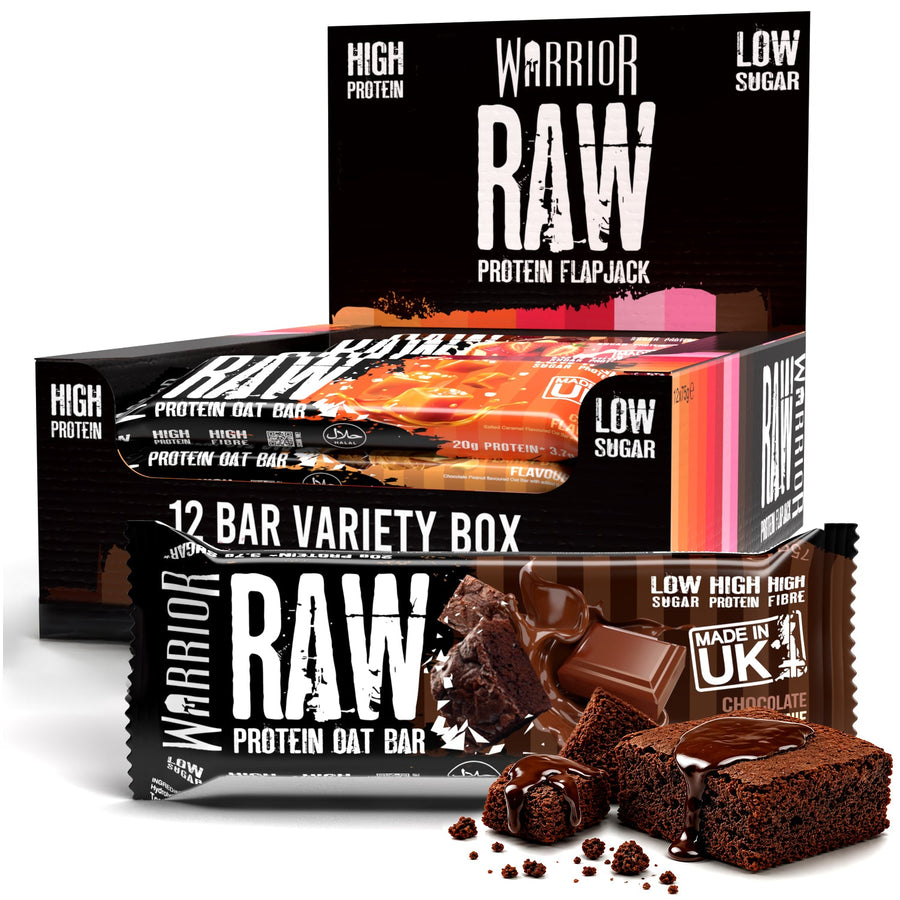
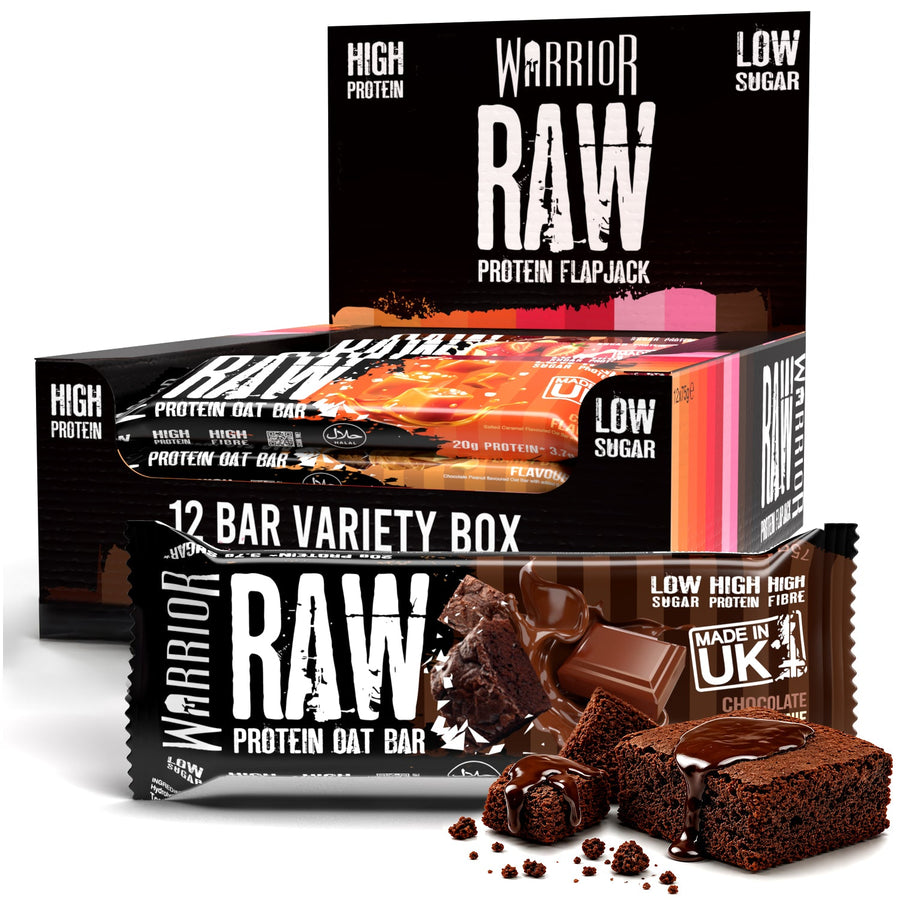
- Warrior RAW: 20g of protein, around 7g of fibre and under 4g of sugar, for about £1 a bar, and the No.1 protein flapjack on Amazon UK (November 2026).
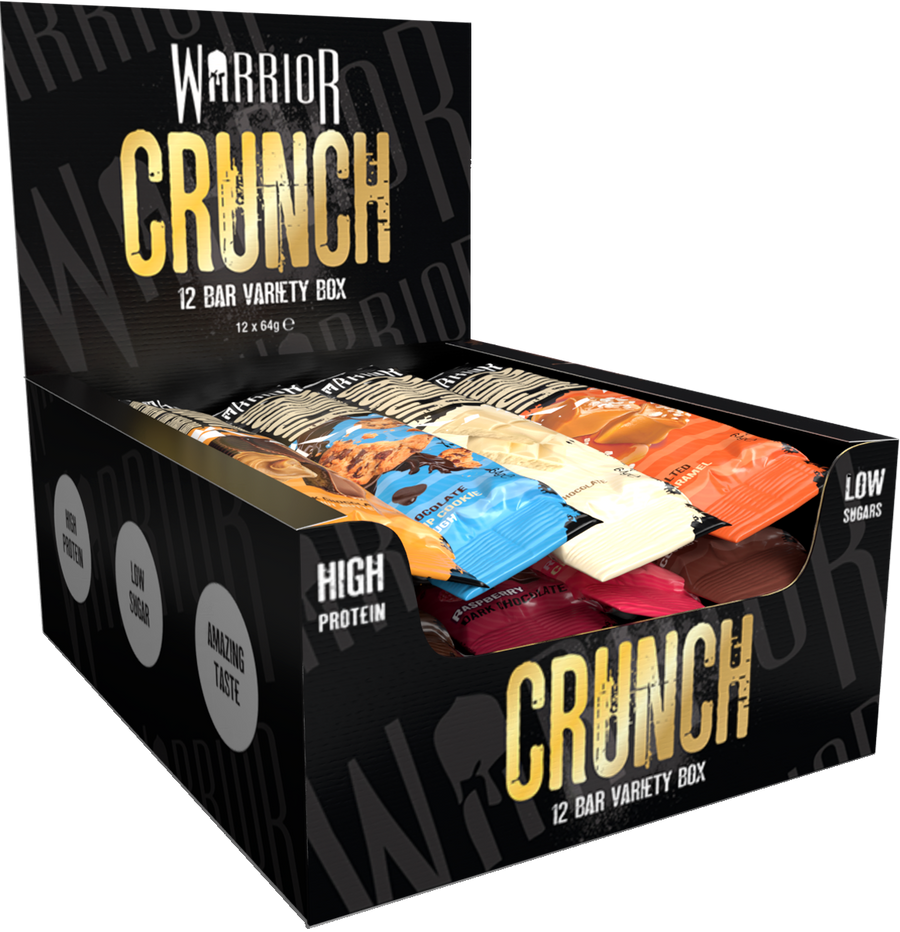
- Warrior Crunch: three layers, up to 20g of protein and under 2.3g of sugar.
Compare every option in our full range of protein powders and protein bars.
Sources
- Jäger R, Kerksick CM, Campbell BI, et al. (2017). International Society of Sports Nutrition position stand: protein and exercise. Journal of the International Society of Sports Nutrition 14:20. https://doi.org/10.1186/s12970-017-0177-8
- Great Britain nutrition and health claims (NHC) register (protein). https://www.gov.uk/government/publications/great-britain-nutrition-and-health-claims-nhc-register
- Warrior: Warrior Whey (up to 36g protein per 50g, 8 flavours). https://teamwarrior.com/products/warrior-whey-protein-500g (checked 22 November 2026)
- Warrior: Warrior Clear Whey (22.5g protein per 25g scoop). https://teamwarrior.com/products/warrior-clear-whey-protein-isolate-powder-375g (checked 22 November 2026)
- Warrior: Warrior Serious Protein (24g protein for about 78p a shake). https://teamwarrior.com/products/warrior-serious-protein-500g (checked 22 November 2026)
- Warrior: Warrior RAW (75g, 20g protein, around 7g fibre, under 4g sugar, about £1 a bar; No.1 protein flapjack on Amazon UK, November 2026). https://teamwarrior.com/products/warrior-raw-protein-flapjack-bars (checked 22 November 2026)
- Warrior: Warrior Crunch (up to 20g protein, under 2.3g sugar). https://teamwarrior.com/products/warrior-crunch-protein-bars-12s (checked 22 November 2026)