On this page
Is Creatine Safe Long-Term? What 30 Years of Research Shows
Creatine is one of the most researched supplements in the world — yet it’s still surrounded by long-term safety myths.
People worry about kidneys. About “needing breaks.” About taking it for years.
The evidence tells a much calmer story.
This is what we call The Longevity Supplement principle:
The Longevity Supplement: Creatine isn’t a short-term stimulant or cycle-based product. It’s a daily support compound with one of the deepest safety profiles in sports nutrition.
How long has creatine been studied?
Creatine has been studied extensively since the early 1990s — across:
- Athletes
- Older adults
- Men and women
- Clinical and performance settings
There are now hundreds of peer-reviewed studies examining creatine’s effects on performance, health markers, and long-term use.
Very few supplements come close to this level of scrutiny.
Does creatine damage the kidneys?
This is the most persistent myth — and the most misunderstood.
Creatine increases creatinine levels in blood tests. Creatinine is a breakdown product of creatine, and it’s often used as a marker of kidney function.
Higher creatinine does not automatically mean kidney damage.
In healthy individuals, long-term creatine use has not been shown to impair kidney function.
Key distinction: Creatinine levels can rise without kidney damage — especially in people with more muscle mass or higher creatine intake.
If you have pre-existing kidney disease, creatine may not be appropriate. For healthy adults, the evidence does not support routine kidney harm.
Is it safe to take creatine every day?
Yes — for healthy adults using sensible doses.
Creatine works best when taken daily. Cycling on and off is not required for safety and often reduces effectiveness.
This aligns with everything we’ve covered in:
Creatine isn’t a hormone or stimulant. There’s no “shutdown” effect.
What about long-term side effects?
When people report side effects, they’re usually related to:
- Digestive discomfort from large doses
- Poor hydration
- Aggressive loading protocols
These are execution problems — not toxicity problems.
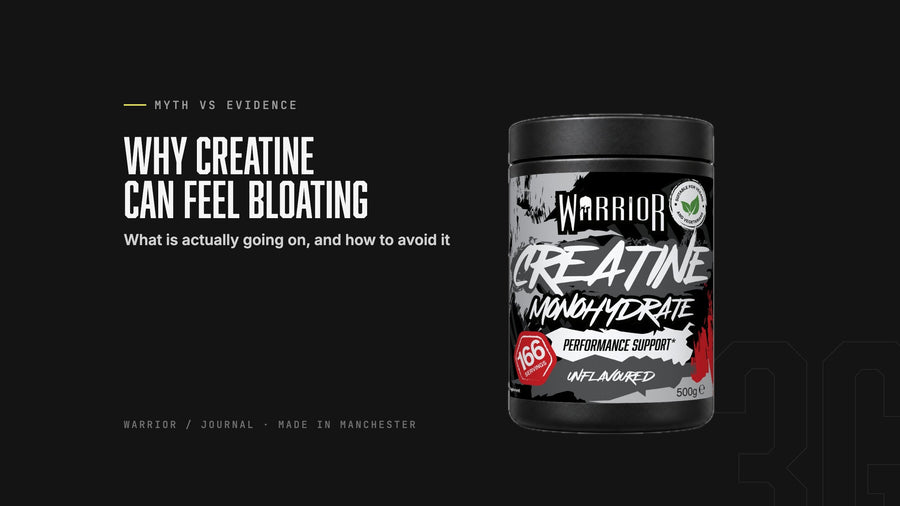
We cover how to avoid this in our guide to creatine bloating and how to fix it.
Is creatine safe as you get older?
Yes — and this is where creatine becomes especially interesting.
Research in older populations suggests creatine may support:
- Muscle preservation
- Strength retention
- Functional performance
This is why creatine is increasingly discussed not just as a sports supplement — but as a healthy ageing tool.
When paired with resistance training and adequate protein, creatine supports long-term capability.
Is creatine safe for women?
Yes.
Creatine has been studied in women across performance, health, and cognitive contexts.
Concerns about bulk or hormone disruption are not supported by evidence.
We cover this fully in Creatine for Women: Strength, Energy, and Brain Benefits Explained.
Hydration, electrolytes, and safety
One reason creatine sometimes gets blamed for side effects is hydration mismatch.
Creatine increases intracellular water demand. If fluid and electrolytes aren’t balanced, training can feel worse — even though creatine itself is not harmful.
This is why systems like Creatine Plus exist — to support real-world use.
We explain the hydration piece in depth in Creatine and Electrolytes: The Missing Link.
If you remember one thing about this…
Creatine is one of the safest, most studied supplements available. For healthy adults, long-term daily use is supported by decades of research — and cycling is not required.
Who should be cautious?
You should speak to a healthcare professional before using creatine if you:
- Have known kidney disease
- Are pregnant or breastfeeding
- Have been advised to limit protein or creatine intake
For everyone else, creatine is widely regarded as safe when used responsibly.
Where to go next
This article is for educational purposes only and does not replace medical advice. If you have medical conditions or concerns, consult a qualified healthcare professional before using supplements.
 Shop the guideWarrior Creatine Monohydrate Gummies – 3000mg – 90 Gummies (Lab Tested)
From £14.99
Shop the guideWarrior Creatine Monohydrate Gummies – 3000mg – 90 Gummies (Lab Tested)
From £14.99