On this page
TL;DR
Bloating from creatine usually comes from a loading phase or large single doses, not from 3g a day. Skip loading, split bigger amounts, take it with a drink and food, and most people feel nothing at all.
Key takeaways
- Creatine pulls water into muscle, not under the skin.
- Loading (around 20g a day) is the usual trigger for bloating.
- Single doses of 10g upset stomachs more than split doses.
- 3g a day is the amount the authorised claim is based on.
"Does creatine make you bloated?" is one of the first things people ask before they start. The honest answer: it can, but usually only when it is taken in a way most people do not need to take it. Here is why creatine bloating happens, and what to change so it does not.
What people mean by "creatine bloat"
Two different things get called bloating.
- Scale weight going up. Creatine draws water into your muscle cells. That is part of how it is stored. In the first weeks some people see the scale rise by a kilogram or so. That water is inside the muscle, not under the skin, so it does not make you look puffy.
- A full or uncomfortable stomach. This is the one people mean when they say "bloated". It is linked to how much creatine you take in one go, and how you take it.
Why creatine causes bloating: the usual causes
1. The loading phase
Loading means around 20g a day for five to seven days. It fills your stores quickly (Hultman et al., 1996), and it is where most bloating reports come from. Four times the usual amount, every day, is a lot for some stomachs. Loading is optional. A steady 3g a day gets you to the same place in about three to four weeks.
2. Big single doses
A 2008 study by Ostojic and Ahmetovic found that a single 10g dose caused more stomach upset than the same amount split into two 5g doses. If you take more than the standard serving, split it across the day.
3. Not enough liquid
Creatine monohydrate does not fully dissolve in a small amount of cold water. A gritty slurry sitting in your stomach is more likely to feel heavy. Use 250–300ml or more, or mix it into a shake.
4. Something else in the drink
Sometimes it is not the creatine. Large amounts of sweetener, a big protein shake on an empty stomach, or a fizzy drink can all cause the same feeling. Try your creatine in plain water for a week to find out.
How to avoid creatine bloating
- Skip the loading phase. Take 3g a day from day one.
- Split anything above the standard serving into smaller doses.
- Mix it into plenty of liquid, or take it with a meal.
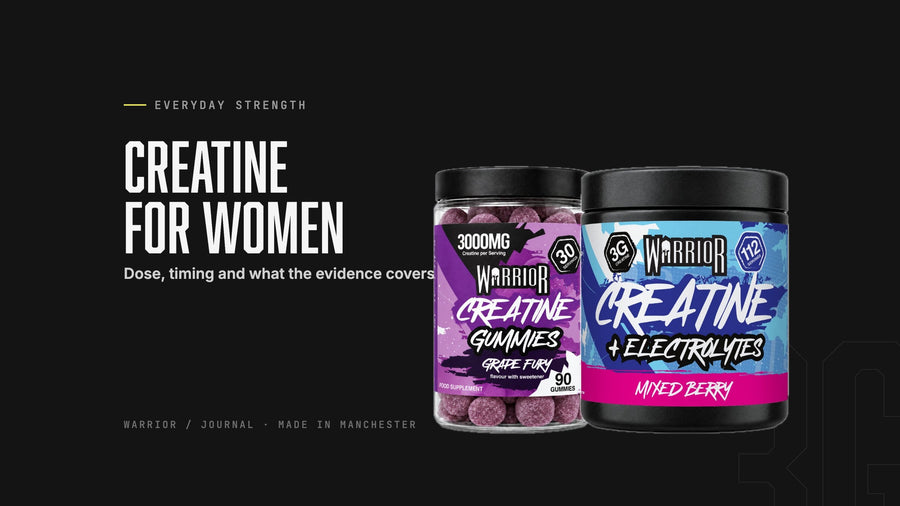
- Try another format. Creatine Gummies are 3g in three gummies, with no powder and no shaker.
- Give it two weeks. Many people who notice anything at the start stop noticing it once the routine settles.
Is creatine water retention a bad thing?
No. Water held in muscle is normal muscle physiology. The 2021 review by Antonio and colleagues looked at the common worries about creatine, including water retention, and found no good evidence of the long-term bloating people fear at normal daily intakes.
Creatine increases physical performance in successive bursts of short-term, high intensity exercise. The beneficial effect is obtained with a daily intake of 3g of creatine.
When to speak to a professional
If you get ongoing stomach pain, diarrhoea or discomfort whatever you change, stop taking it and speak to your GP or a pharmacist. The same applies if you have a kidney condition or take regular medication: check before you start any supplement.
Common questions about creatine and bloating
How long does creatine bloating last?
For most people who notice anything, it settles within the first two weeks, especially if they skip the loading phase. If it does not, look at the dose, the liquid you mix it with and what else is in the drink.
Does creatine make your face or stomach look puffy?
Creatine draws water into muscle cells, not under the skin. A puffy look is more likely to come from salt, sleep or a large meal than from 3g of creatine.
Is creatine HCl better for bloating than monohydrate?
There is no good evidence that other forms of creatine beat monohydrate, for bloating or anything else. Most of the research uses monohydrate. If monohydrate bothers you, try a smaller split dose or a different format before switching form.
Do creatine gummies cause less bloating than powder?
The creatine is the same. Some people simply find three gummies easier on the stomach than a large drink. It is worth trying if powder does not suit you.
The bottom line
Most creatine bloating comes from loading doses and large single servings, not from the 3g a day you actually need. Keep it simple: one serving, every day, in plenty of liquid.
Want more detail? Read our full guide to creatine and bloating or how much creatine to take per day.
Sources
- Antonio J et al. (2021). Common questions and misconceptions about creatine supplementation: what does the scientific evidence really show? Journal of the International Society of Sports Nutrition 18:13.
- Ostojic SM, Ahmetovic Z (2008). Gastrointestinal distress after creatine supplementation in athletes: are side effects dose dependent? Research in Sports Medicine 16(1):15–22.
- Hultman E et al. (1996). Muscle creatine loading in men. Journal of Applied Physiology 81(1):232–237.
- Kreider RB et al. (2017). International Society of Sports Nutrition position stand: safety and efficacy of creatine supplementation in exercise, sport, and medicine. Journal of the International Society of Sports Nutrition 14:18.
- Commission Regulation (EU) No 432/2012, as retained in GB law: list of permitted health claims (creatine).
 Shop the guideWarrior Creatine Monohydrate Powder - 300g, 500g & 1KG
From £8.99
Shop the guideWarrior Creatine Monohydrate Powder - 300g, 500g & 1KG
From £8.99