


Creatine and Electrolytes: The Missing Link Most People Ignore
Creatine monohydrate is one of the most proven supplements on Earth. But if you’ve ever taken creatine and felt “meh”, got headaches, cramped more than usual, or found it hard to stay consistent, there’s a high chance the issue wasn’t creatine.
It was hydration and electrolytes.
This is the concept we call The Transport Problem:
The Transport Problem: Creatine does its job inside muscle. Electrolytes and hydration help you perform, recover, and keep dosing consistently enough for creatine’s benefits to compound.
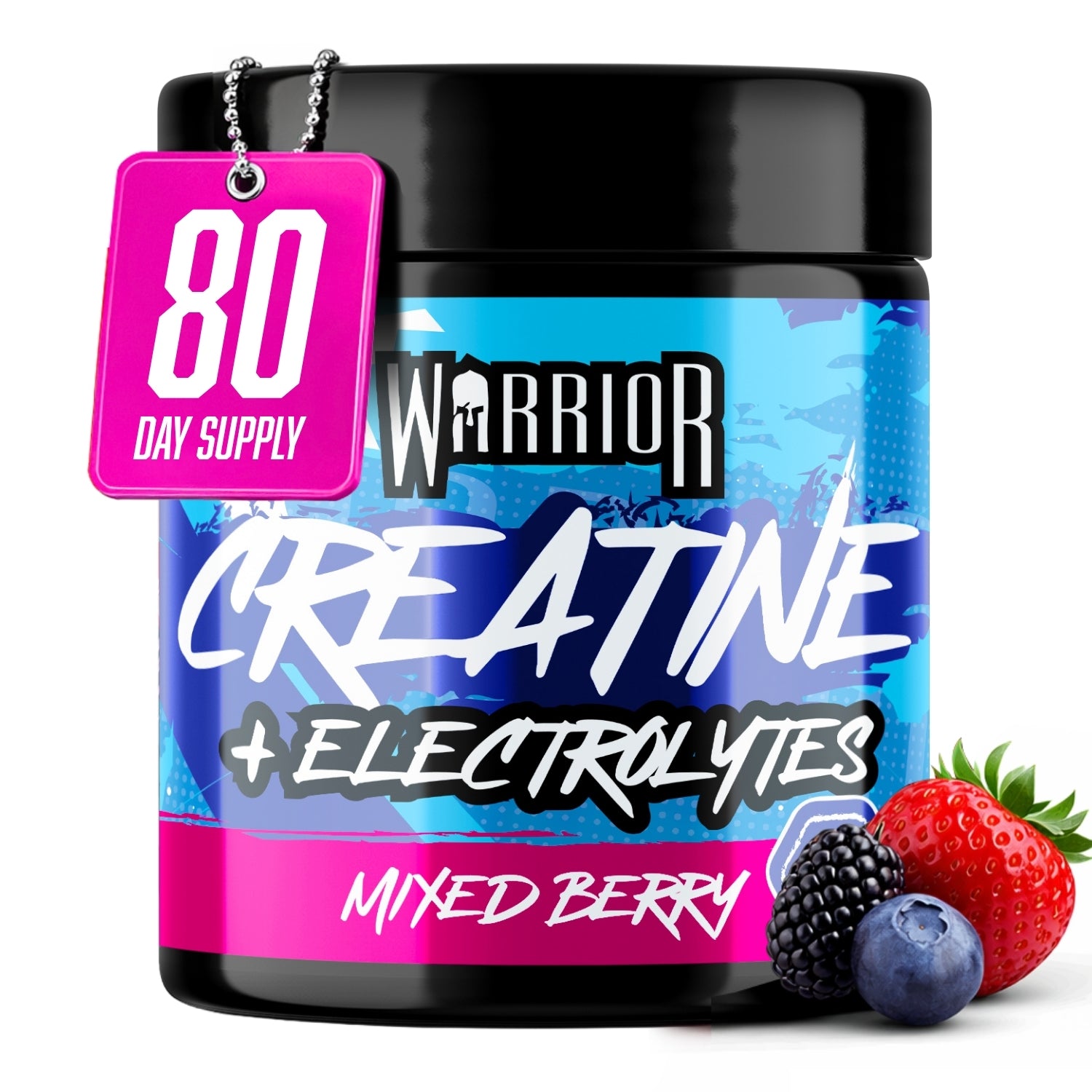
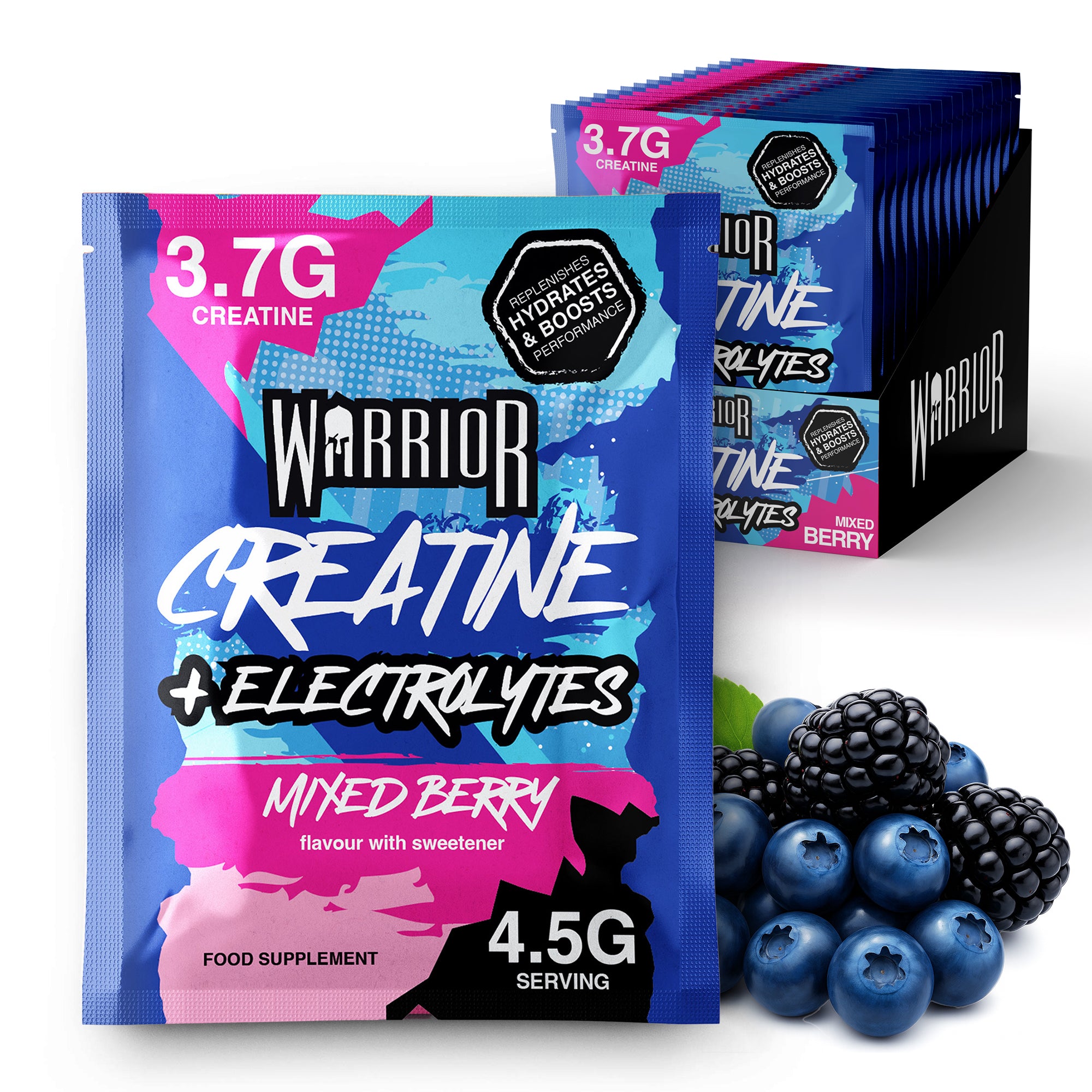
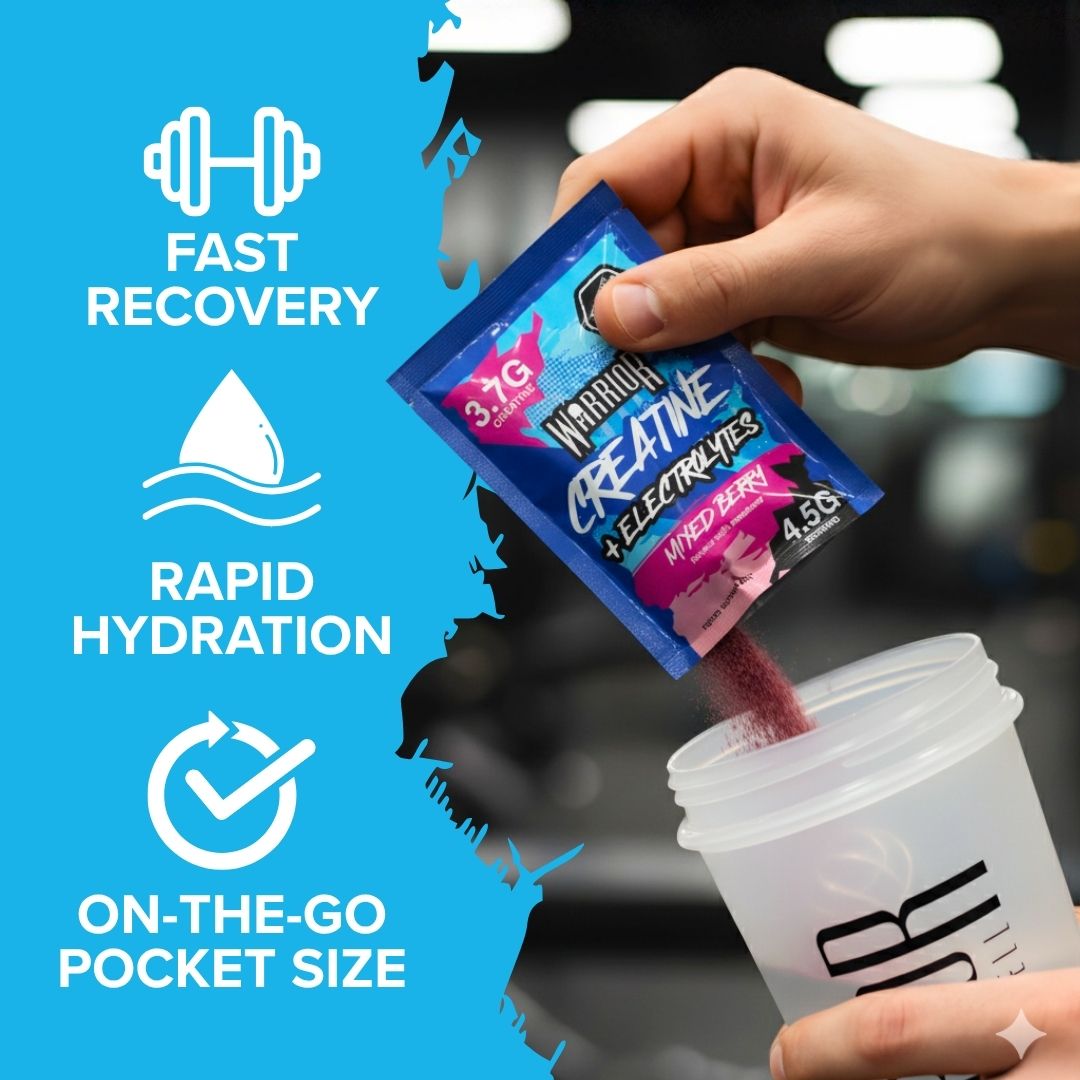
It’s also why we created Creatine Plus — to make the “real-world” version of creatine work better, more often, for more people.
First: what are electrolytes?
Electrolytes are minerals in your body fluids that help regulate:
- Hydration balance (how water is held and moved)
- Nerve signalling (muscle contraction and coordination)
- Muscle function (performance and cramping risk)
The big ones you’ll hear about are sodium, potassium, and magnesium (along with calcium and chloride).
How creatine works (in plain English)
Creatine helps your muscles recycle energy faster during short, intense efforts — think heavy sets, sprints, takedowns, scrambles, hard conditioning bursts. Over time, better training quality tends to mean better results.
But creatine is not a “feel it instantly” supplement for most people. It works best when your muscles become saturated over days and weeks.
Creatine is a compounding supplement. The benefit isn’t one heroic dose. It’s showing up daily with slightly better output.
So where do electrolytes fit in?
Here’s the mistake: people treat creatine as a standalone “ingredient” problem.
But most real-world performance issues are system problems — and hydration is one of the biggest variables in that system. When electrolytes are low (or fluid intake doesn’t match sweat loss), you’re more likely to experience:
- Lower training quality (fatigue feels higher than it should)
- Headaches (especially with high caffeine / low fluid)
- Cramping tendencies (often a sodium + fluid mismatch)
- “Flat” sessions where pumps and output are inconsistent
And if training feels worse, people miss days — and if they miss days, creatine never gets a proper run.
That’s the missing link.
Who benefits most from electrolytes with creatine?
Not everyone needs to obsess over electrolytes. But in the UK, a lot of people train in a way that quietly increases electrolyte demand — without realising it.
Electrolytes matter more if you:
- Sweat heavily (hard gym sessions, conditioning, combat sports)
- Use sauna regularly (big fluid + mineral losses)
- Train fasted or low-carb (water and sodium handling shifts)
- Drink lots of coffee and under-drink water
- Do two-a-days or high weekly training volume
Warrior rule: If your training output depends on repeated bursts, hydration is performance. Electrolytes are the lever most people never pull.
Creatine + electrolytes: does it improve absorption?
People often ask whether electrolytes “increase creatine absorption.” The honest answer is: the research focus is usually on creatine itself, and creatine already absorbs well for most people.
But the practical benefit is often bigger than the lab question:
- You feel better during training
- You recover better between hard sessions
- You’re more likely to stay consistent
That’s why we built the concept of Creatine Plus — not because monohydrate is “bad”, but because most people aren’t robots.
For the full explanation of Creatine Plus (and who it’s for), read: Creatine Plus Explained: Why Creatine Alone Is No Longer Enough.
If you remember one thing about this…
Creatine works inside muscle, but hydration decides your day-to-day performance. If you train hard, sweat a lot, use sauna, or struggle with consistency, electrolytes can be the difference between “creatine doesn’t do much” and “I feel reliably stronger week after week.”
How to use electrolytes alongside creatine (simple, non-fussy)
Step 1: Take creatine daily. Don’t overthink timing. Pick the moment you’ll actually remember.
Step 2: Match electrolytes to sweat. The harder you sweat, the more it matters. If you finish sessions with salt crust on your shirt, headaches, or cramping tendencies, that’s a signal.
Step 3: Don’t “load” unless you have a reason. Loading can work, but it often increases stomach upset and makes people quit early.
The Consistency Principle: The best creatine plan is the one you’ll still be doing in 30 days.
Common questions
Can I just add salt instead of electrolytes?
Sodium is a major electrolyte and often the key one for heavy sweaters. But a balanced approach can matter, especially when training volume is high. Think of “electrolytes” as a practical way to cover the bases when sweat losses add up.
Do electrolytes make you retain water?
Electrolytes help regulate fluid balance. If you’re under-hydrated or low in sodium, adding electrolytes can actually help you feel more stable and perform better. Massive swings usually come from inconsistent intake (very low one day, very high the next).
Is this relevant if I use creatine gummies?
Yes. Creatine gummies solve the format and consistency problem brilliantly. Electrolytes are a separate lever — especially for heavy sweaters, sauna users, or anyone who feels “flat” in training.
Where to go next
- Explore the full Warrior Creatine range (including Creatine Plus)
- Creatine Plus Explained: why the “system” beats the ingredient
- Creatine Gummies: the easiest way to stay consistent
- Return to the Creatine Knowledge Hub
This article is for educational purposes only and does not replace medical advice. If you have kidney disease, are pregnant/breastfeeding, or have a medical condition, speak to a healthcare professional before using supplements.



Leave a reply