
On this page
TL;DR
Start with the free NHS Couch to 5K plan: three runs a week for nine weeks, from one-minute runs to 30 minutes non-stop. Strength train twice a week: a BJSM meta-analysis found strength training cut sports injuries to less than a third. A 2020 BJSM meta-analysis linked any amount of running with a 27% lower risk of death from any cause.
Key takeaways
- Couch to 5K: 3 runs a week for 9 weeks.
- Any amount of running is linked with a 27% lower risk of death.
- Strength training cut sports injuries to under a third.
- Run slow enough to talk.
- Finish with a parkrun.
The simplest way to start running after 40 is the free NHS Couch to 5K plan: three runs a week for nine weeks, starting with one-minute runs and building to 30 minutes non-stop. Add two short strength sessions a week to protect your joints, because strength training is the most effective way to cut sports injuries. And it's worth it: a large review in the British Journal of Sports Medicine linked any amount of running with a 27% lower risk of death from any cause.
Is it too late to start running at 40, 50 or 60?
No. A 2020 meta-analysis of 14 studies and over 230,000 people found running was associated with a 27% lower risk of death from all causes, 30% lower from cardiovascular disease and 23% lower from cancer, compared with not running. Even small amounts, less than 50 minutes a week, were linked with benefits. It's an observational study, so it can't prove cause, but the direction is clear: some running beats none. If you have a heart condition, joint problems or haven't exercised for a long time, check with your GP first.
How does Couch to 5K work?
| Stage | What you do |
|---|---|
| Week 1 | 5-minute warm-up walk, then 1-minute runs with 90-second walks, 3 times a week |
| Weeks 2 to 8 | Runs get a little longer each week, walks get shorter |
| Week 9 | Running 30 minutes without stopping |
The NHS says you can take longer than nine weeks if you need to: repeat a week if it felt too hard. The free NHS Couch to 5K app tells you when to run and walk. Pace doesn't matter. Go slow enough to finish.
How do you avoid injury when you start running?
- Strength train twice a week. A meta-analysis in the British Journal of Sports Medicine found strength training reduced sports injuries to less than a third, and overuse injuries were almost halved by exercise programmes. Stretching on its own showed no clear benefit. Squats, split squats, calf raises, hip hinges and planks are enough.
- Keep a rest day between runs. Couch to 5K builds this in.
- Run easy. Most of your running should feel like you could hold a conversation.
- Get decent trainers. A running shop can help you find a comfortable pair.
- Don't add too much at once. Niggles that get worse as you run are a signal to back off.
For a strength routine, see getting stronger after 40 and 15-minute kettlebell workouts.
What should you eat when you start running?
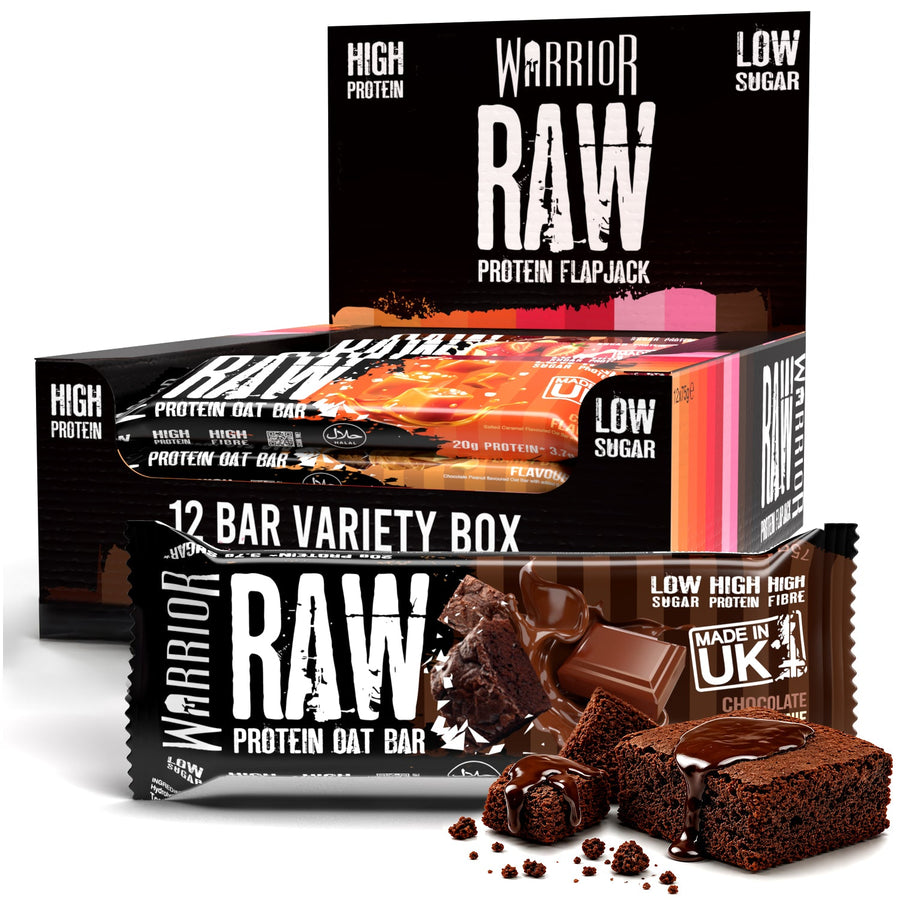
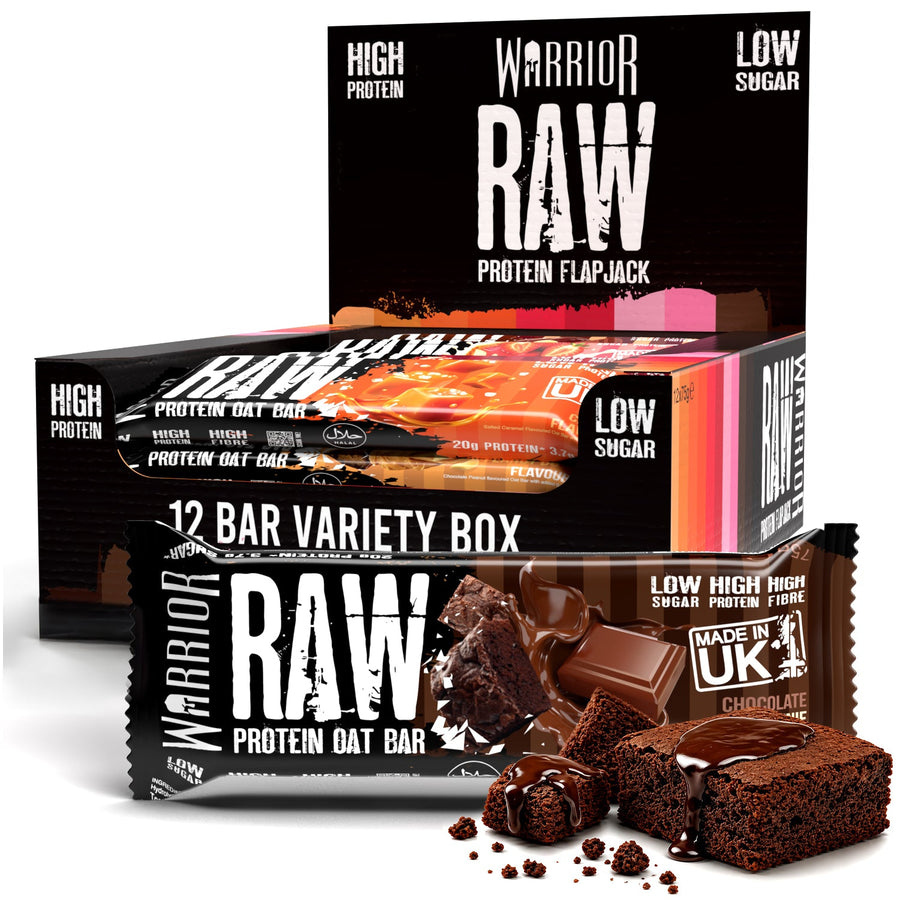
You don't need special food for a 30-minute run. Eat normal balanced meals, drink water, and don't run straight after a big meal. If you're running to lose weight, keep protein high: it contributes to the growth and maintenance of muscle mass, and the ISSN suggests 1.4 to 2.0g per kg of body weight a day for people who exercise. A Warrior RAW bar (20g of protein, not HFSS, about £1) is an easy snack after a morning run; one or two a day is plenty. A shake of Warrior Serious Protein (no added sugar; contains naturally occurring sugars) works too.
Once your runs get longer or hotter, add electrolytes: see do you need electrolytes? and creatine for runners.
What comes after Couch to 5K?
Book a parkrun: a free, timed 5km run held every Saturday morning in parks across the UK. It gives you a goal, a time to beat and a community. From there, a 10K is the natural next step. Fancy something tougher? Try HYROX or the Three Peaks Challenge.
Common questions
Can you start running at 50?
Yes. Start with Couch to 5K, strength train twice a week, and check with your GP first if you have health conditions.
How long does Couch to 5K take?
Nine weeks at three runs a week, but the NHS says you can take longer and repeat weeks as needed.
How often should a beginner run?
Three times a week with a rest day in between is the Couch to 5K pattern, and it works.
Is running bad for your knees?
For most people, building up gradually and strengthening your legs is the best protection. If you have existing knee problems, get advice from a physio or GP.
How slow should I run as a beginner?
Slow enough to talk. Pace comes later. Consistency comes first.
The bottom line
It's never too late to become a runner. Nine weeks, three runs a week, two strength sessions, and a parkrun at the end. The hardest step is the first one out of the door. Take it, and keep taking it. That's the Warrior Code.
Sources
- NHS: Couch to 5K running plan (3 runs a week for 9 weeks, alternating walking and running, ending with 30 minutes of running; week 1 runs of 1 minute with 90-second walks). https://www.nhs.uk/better-health/get-active/get-running-with-couch-to-5k/couch-to-5k-running-plan/ (checked 20 November 2026)
- NHS: Get running with Couch to 5K (free app; can be completed in 9 weeks or longer). https://www.nhs.uk/live-well/exercise/get-running-with-couch-to-5k/ (checked 20 November 2026)
- Pedisic Z et al. (2020). Is running associated with a lower risk of all-cause, cardiovascular and cancer mortality, and is the more the better? A systematic review and meta-analysis. British Journal of Sports Medicine 54(15):898-905 (27%, 30% and 23% lower risk; 14 studies, 232,149 participants). https://doi.org/10.1136/bjsports-2018-100493
- Lauersen JB, Bertelsen DM, Andersen LB (2014). The effectiveness of exercise interventions to prevent sports injuries: a systematic review and meta-analysis of randomised controlled trials. British Journal of Sports Medicine 48(11):871-877. https://doi.org/10.1136/bjsports-2013-092538
- Jäger R et al. (2017). International Society of Sports Nutrition position stand: protein and exercise. Journal of the International Society of Sports Nutrition 14:20. https://doi.org/10.1186/s12970-017-0177-8
- parkrun UK: free, weekly, timed 5k events. https://www.parkrun.org.uk/
- Tesco: Warrior RAW Protein Flapjack Peanut Butter Cup 75g (£1.00; 20.1g protein). https://www.tesco.com/shop/en-GB/products/321030370 (checked 19 November 2026)
 Shop the guideWarrior RAW Protein Bar - 12 x 75g Bars
From £11.99