
On this page
TL;DR
Most people don't need electrolytes for a normal hour in a cool gym. They help when you sweat a lot: sessions over about an hour, hot conditions, heavy or salty sweaters, and long events. Sweat rate and sodium vary widely between people. Drinking lots of plain water during long events without sodium can be risky.
Key takeaways
- Under an hour in a cool gym, water is usually enough.
- Electrolytes help in long, hot or very sweaty sessions.
- Sweat sodium varies widely between people.
- Weigh before and after training to learn your sweat losses.
Most people don't need electrolytes for a normal hour in the gym: water and regular meals cover it. Electrolytes become useful when you sweat a lot: long sessions (over about an hour), hot conditions, very sweaty training like combat sports in a gi, or if you're a salty sweater. Sweat sodium varies hugely between people, so the right amount depends on you. Drinking large amounts of plain water during long events without replacing sodium can be risky.
What are electrolytes?
Electrolytes are minerals that carry an electrical charge in your body, mainly sodium, potassium, chloride and magnesium. You get them from food, and you lose some in sweat, mostly sodium. Your body manages them tightly; for everyday life, a normal diet gives you plenty.
Who needs electrolytes?
| Situation | Electrolytes useful? |
|---|---|
| Under an hour in a cool gym | Usually not; water is fine |
| Long sessions, over about an hour | Often helpful |
| Hot weather or hot rooms | Often helpful |
| Heavy sweaters, salty sweat (white marks on kit) | Likely helpful |
| Long events like HYROX, marathons, tournaments | Plan sodium as part of your fluids |
| Physical jobs in hot conditions | Can be helpful alongside meals |
Why does sweat vary so much?
A review of sweat research in athletes found that both sweating rate and sweat sodium concentration vary widely from person to person, and with heat, fitness and acclimatisation. Two people in the same session can lose very different amounts of fluid and salt. That's why a one-size-fits-all approach doesn't work.
How do you know how much you sweat?
- Weigh yourself before a typical session, in minimal clothing.
- Train as normal, noting how much you drink.
- Weigh yourself after, towelled dry.
- Weight lost plus fluid drunk is roughly your sweat loss. Each kilo is about a litre.
A joint position statement from sports nutrition bodies in the US and Canada suggests drinking about 1.25 to 1.5 litres for every kilo lost after exercise, with sodium helping you hold on to it.
Can you drink too much water?
Yes, during long events. Drinking large amounts of plain water while losing sodium in sweat can dilute the sodium in your blood, a condition called hyponatraemia, which can be dangerous. It's rare, but it's been seen in long endurance events. Drink to thirst during long sessions, and include sodium if you'll be going for hours.
What's the simplest way to get electrolytes?
- Food: salted meals and snacks before and after long sessions.
- Sports drinks: carbs and electrolytes for long efforts.
- Electrolyte powders: for when you want sodium without many calories.
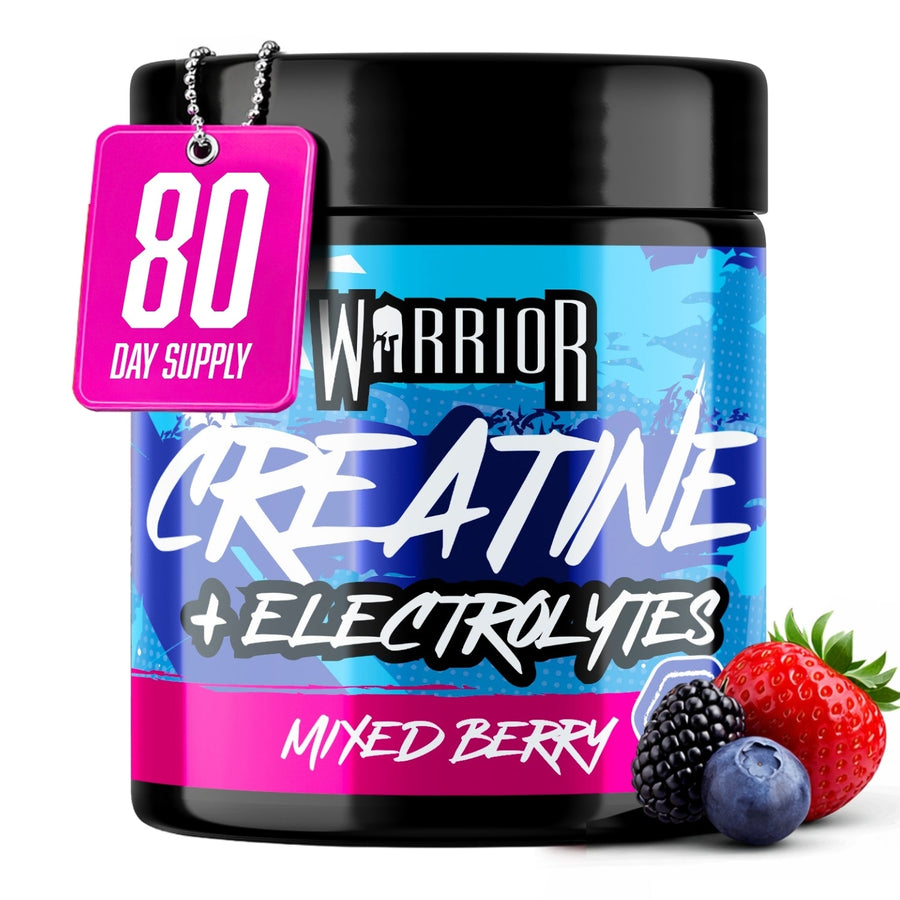
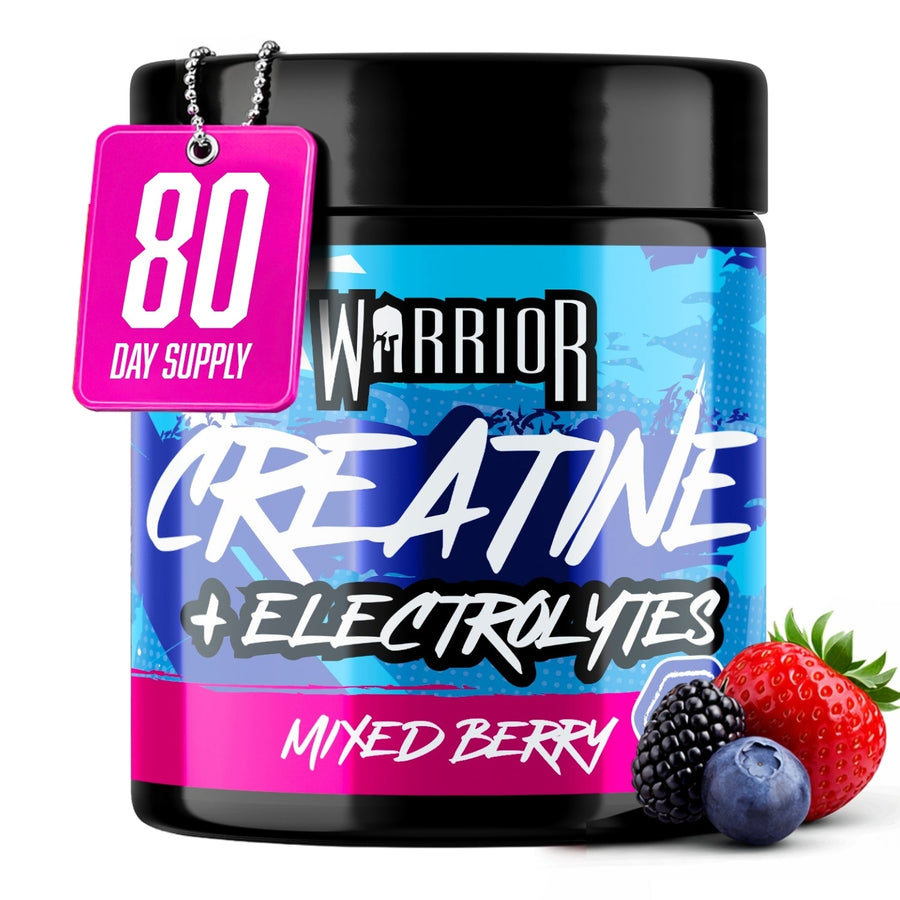
- Combined with creatine: if you take creatine daily anyway, Warrior Creatine + Electrolytes gives you creatine with sodium, potassium and magnesium in one scoop. That's the idea behind functional creatine, which Warrior created in the UK.
Common questions
Do I need electrolytes after the gym?
For a typical hour in a cool gym, usually not. A normal meal replaces what you lost.
Are electrolytes good for hot weather?
They can help when you sweat heavily in the heat, especially during long or hard sessions.
How do I know if I'm a salty sweater?
White, salty marks on your kit or skin after training, or sweat that stings your eyes, are common signs.
Can electrolytes replace water?
No. They're mixed with water. They help when sweat losses are high; they don't replace drinking.
The bottom line
Electrolytes aren't needed for every session, but they're useful when you sweat a lot: long, hot or very sweaty training, physical jobs in the heat, and long events. Weigh yourself to learn your sweat losses, drink to thirst, and include sodium when you'll be going for hours. For a simple daily habit that covers creatine and electrolytes, try Warrior Creatine + Electrolytes.
Sources
- Baker LB (2017). Sweating rate and sweat sodium concentration in athletes: a review of methodology and intra/interindividual variability. Sports Medicine 47(Suppl 1):111-128. https://doi.org/10.1007/s40279-017-0691-5
- Thomas DT, Erdman KA, Burke LM (2016). Position of the Academy of Nutrition and Dietetics, Dietitians of Canada, and the American College of Sports Medicine: nutrition and athletic performance. Journal of the Academy of Nutrition and Dietetics 116(3):501-528. https://doi.org/10.1016/j.jand.2015.12.006
- Warrior: Warrior Creatine Plus Electrolytes (creatine monohydrate with sodium, potassium and magnesium). https://teamwarrior.com/products/warrior-creatine-plus-electrolytes (checked 20 November 2026)
 Shop the guideWarrior Creatine Plus Electrolytes
From £9.49