
On this page
TL;DR
At 50, lift weights two or three times a week with full-body sessions of 2 to 3 sets of 6 to 12 reps, adding weight gradually. Eat enough protein (1.0 to 1.2g per kg for older adults, more if training hard), walk daily and sleep well. From 55, daily creatine (3g) can enhance the effect of resistance training on muscle strength.
Key takeaways
- Muscle responds to training at any age.
- Train full body 2 to 3 times a week.
- Eat protein at every meal.
- From 55, creatine can enhance strength gains from training.
At 50, strength training is the single best thing you can do for your body. Muscle mass naturally declines with age, but lifting weights two or three times a week, eating enough protein and adding weight gradually can slow that decline and build new strength, often beyond where you were at 30 if you never trained properly then. From 55, daily creatine can also enhance the effect of resistance training on muscle strength.
Why does strength matter more at 50?
Because you start losing it without noticing. Reviews of ageing muscle describe a gradual loss of muscle mass from around the age of 30, often estimated at 3 to 8% per decade, speeding up later in life. Strength drops faster than size. The result shows up in daily life: carrying the shopping, getting off the floor, lifting a suitcase into the loft.
The good news: muscle responds to training at any age. The US National Strength and Conditioning Association's position statement on older adults says well-designed resistance training can improve muscle strength, power and function in older people.
How should you train for strength at 50?
| Factor | What works |
|---|---|
| Frequency | 2 to 3 full-body sessions a week |
| Exercises | Squat or leg press, hip hinge, push, pull, carry |
| Sets and reps | 2 to 3 sets of 6 to 12 reps, finishing each set with 1 to 3 reps left in the tank |
| Progression | Add a rep or a little weight when all sets feel solid |
| Warm-up | 5 to 10 minutes, then lighter sets of your first lift |
Start lighter than your ego wants. Tendons and joints adapt more slowly than muscle, so build up over the first few weeks. If something hurts (not just effort, but pain), change the exercise. A trap bar deadlift or goblet squat is often kinder to backs and knees than barbell versions.
How much protein do you need at 50?
More than many people eat. An expert group on protein for older people (PROT-AGE) recommends 1.0 to 1.2g per kg of body weight a day for people over 65, and more for those who are active. If you're training hard in your 50s, the International Society of Sports Nutrition range of 1.4 to 2.0g per kg is a sensible target. Spread it across three or four meals with a good portion of protein at each. Protein contributes to the growth and maintenance of muscle mass.
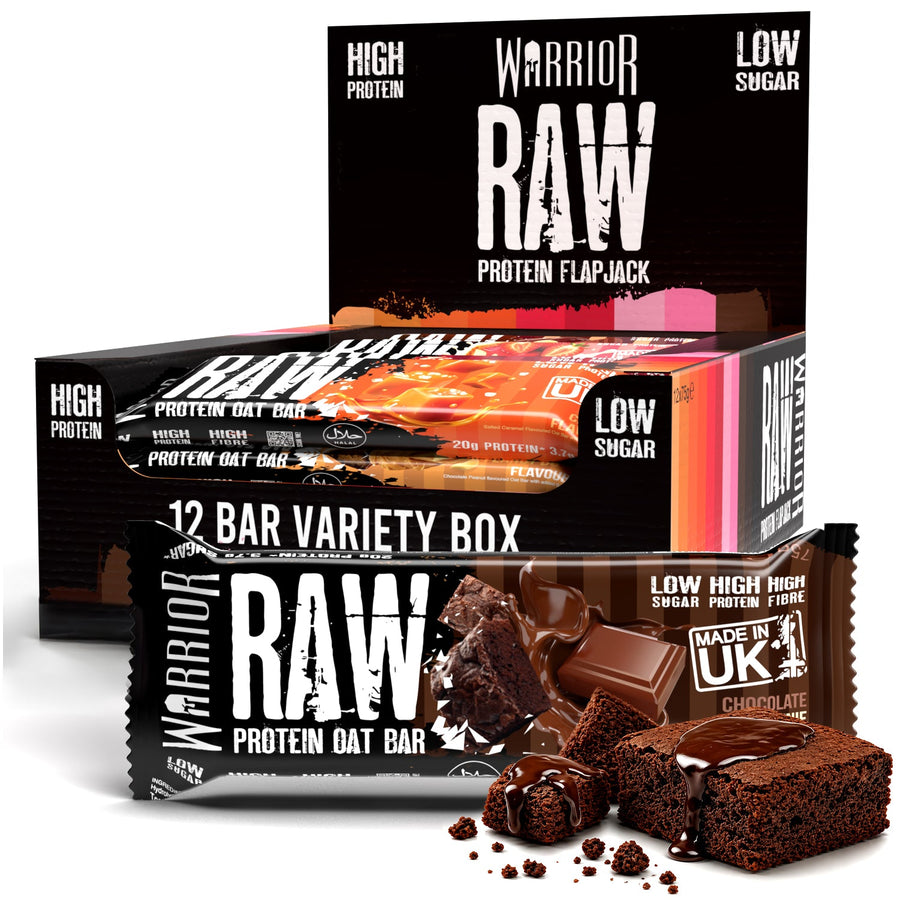
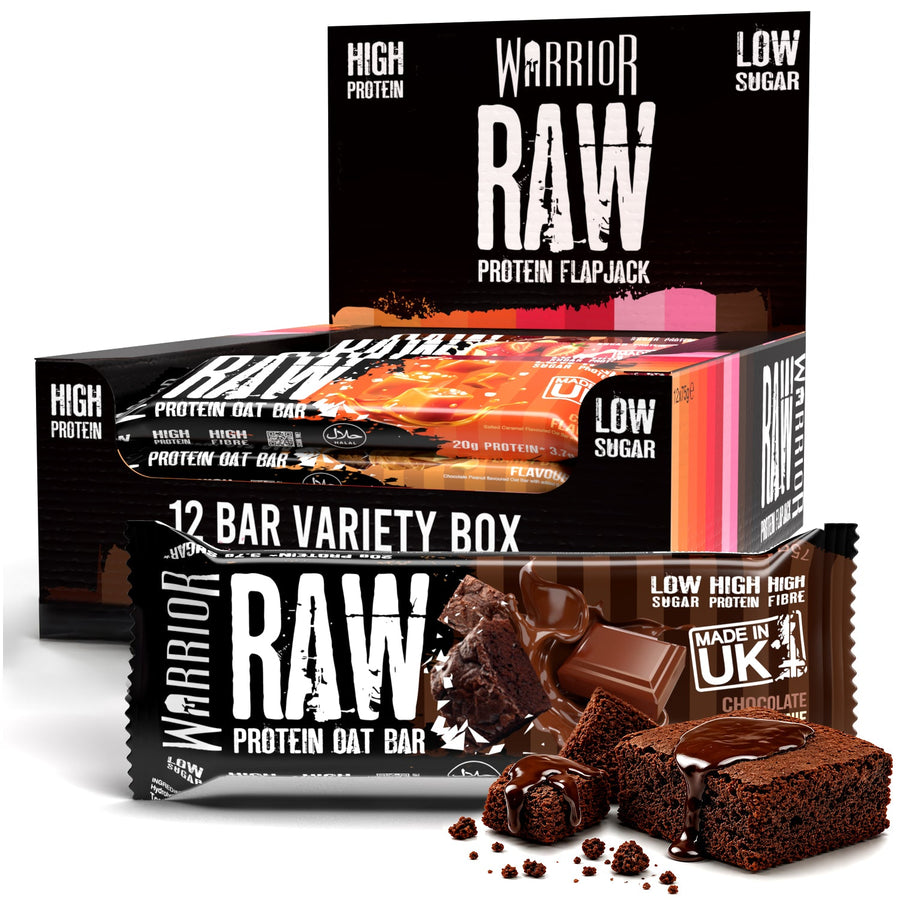
Easy wins: eggs or Greek yoghurt at breakfast, a protein shake after training (a 30g serving of Warrior Serious Protein gives 24g), and a Warrior RAW bar when you need something on the go.
Should you take creatine at 50?
It's one of the best-researched supplements there is, and it gets more relevant with age. In Great Britain, creatine has an authorised claim for older adults: daily creatine consumption can enhance the effect of resistance training on muscle strength in adults over the age of 55. The beneficial effect is obtained with a daily intake of 3g of creatine, with resistance training that increases the workload over time, at least three times a week for several weeks, at 65 to 75% of your one-rep max.
Warrior Creatine + Collagen gives 3.4g of creatine monohydrate per serving, which provides about 3g of creatine. Warrior Creatine + Electrolytes makes your daily creatine one simple scoop. Speak to your GP first if you have kidney disease or take regular medication.
What else matters at 50?
- Walking: the NHS recommends 150 minutes of moderate activity a week. Brisk walks count.
- Sleep: recovery slows with age, so protect it.
- Consistency over intensity: years of steady training beat months of heroics.
- Get checked: if you've been inactive or have health conditions, talk to your GP before starting.
If you're younger and starting now, read getting stronger after 40. If you're older, see strength training over 60.
Common questions
Is it too late to build muscle at 50?
No. Muscle responds to resistance training at any age. Progress may be slower than at 25, but it's real.
How often should a 50-year-old lift weights?
Two or three full-body sessions a week, with at least a day between them, works well for most people.
Should people over 50 lift heavy?
Moderately heavy, with good form, is effective: sets of 6 to 12 reps, stopping a rep or two short of failure. Build up gradually.
Is creatine safe over 50?
Creatine monohydrate has been studied for decades and is considered safe for healthy adults at recommended doses. Check with your GP if you have kidney problems.
The bottom line
At 50, lifting weights is the best investment you can make in your body. Train two or three times a week, add weight gradually, eat enough protein, and from 55 consider 3g of creatine a day alongside your training. Strong for life is principle ten of the Warrior Code. Start with Warrior Creatine + Collagen.
Sources
- Volpi E, Nazemi R, Fujita S (2004). Muscle tissue changes with aging. Current Opinion in Clinical Nutrition and Metabolic Care 7(4):405-410. https://doi.org/10.1097/01.mco.0000134362.76653.b2
- Fragala MS et al. (2019). Resistance training for older adults: position statement from the National Strength and Conditioning Association. Journal of Strength and Conditioning Research 33(8):2019-2052. https://doi.org/10.1519/JSC.0000000000003230
- Bauer J et al. (2013). Evidence-based recommendations for optimal dietary protein intake in older people: a position paper from the PROT-AGE Study Group. JAMDA 14(8):542-559. https://doi.org/10.1016/j.jamda.2013.05.021
- Jäger R et al. (2017). International Society of Sports Nutrition position stand: protein and exercise. Journal of the International Society of Sports Nutrition 14:20. https://doi.org/10.1186/s12970-017-0177-8
- Great Britain nutrition and health claims (NHC) register (creatine and resistance training in adults over 55). https://www.gov.uk/government/publications/great-britain-nutrition-and-health-claims-nhc-register
- NHS: Physical activity guidelines for adults aged 19 to 64. https://www.nhs.uk/live-well/exercise/exercise-guidelines/physical-activity-guidelines-for-adults-aged-19-to-64/
- Warrior: Warrior Creatine Plus Collagen (3.4g creatine monohydrate per 9g serving). https://teamwarrior.com/products/warrior-creatine-plus-collagen (checked 19 November 2026)
- Warrior: Warrior Serious Protein 500g (24g protein per 30g serving). https://teamwarrior.com/products/warrior-serious-protein-500g (checked 19 November 2026)
 Shop the guideWarrior Creatine Plus Collagen - 30 Servings
From £14.99