
On this page
TL;DR
A BJJ diet plan: 1.4 to 2.0g of protein per kg a day, 5 to 7g of carbs per kg on days with about an hour of hard training, a light meal 1 to 3 hours before class, a proper meal with protein and carbs after, and about 1.25 to 1.5 litres of fluid for every kilo lost in sweat.
Key takeaways
- Aim for 1.4 to 2.0g of protein per kg a day.
- Eat more carbs on hard training days.
- Light snack 1 to 3 hours before class, real meal after.
- Weigh before and after class to learn your sweat losses.
A good BJJ diet plan is simple: eat enough protein every day (1.4 to 2.0g per kg of body weight), eat more carbs on days you train hard, have a light meal 1 to 3 hours before class and a proper meal with protein and carbs after. Drink to replace what you sweat out. There is no magic food. Consistency beats perfection, just like on the mat.
How much should a BJJ athlete eat?
It depends on your size, how often you train and whether you're trying to lose, keep or gain weight. A joint position statement from sports nutrition bodies in the US and Canada sets out ranges by training load. Use these as a starting point:
| Nutrient | Daily target | 80kg grappler |
|---|---|---|
| Protein | 1.4 to 2.0g per kg | 110 to 160g |
| Carbs, about an hour of training a day | 5 to 7g per kg | 400 to 560g |
| Carbs, light or skill-based days | 3 to 5g per kg | 240 to 400g |
| Fluids after training | About 1.25 to 1.5 litres per kg of weight lost | Weigh before and after class |
If you're cutting weight, keep protein high and take carbs down a little on rest days, rather than slashing everything. Aim for slow, steady weight loss rather than crash diets before a competition.
What should you eat before BJJ?
Something light and easy to digest, 1 to 3 hours before class. Rolling on a full stomach is grim. Good options:
- Porridge with a banana, 2 to 3 hours before a morning session.
- A chicken or tuna wrap, 2 hours before an evening class.
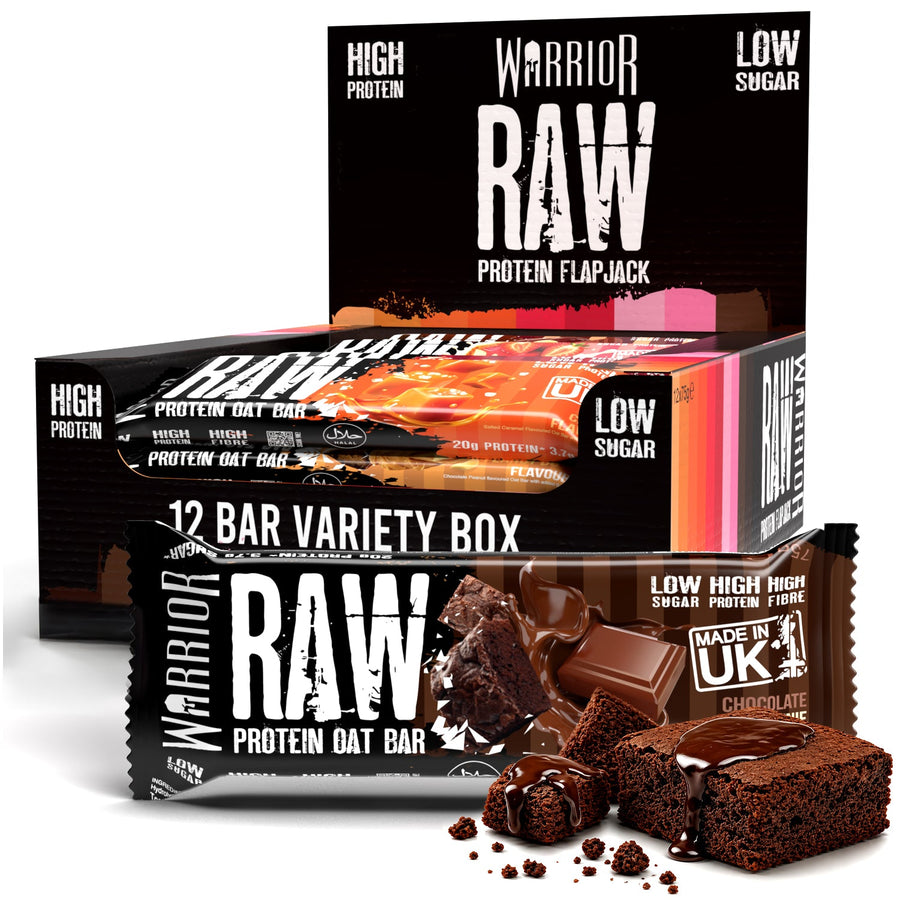
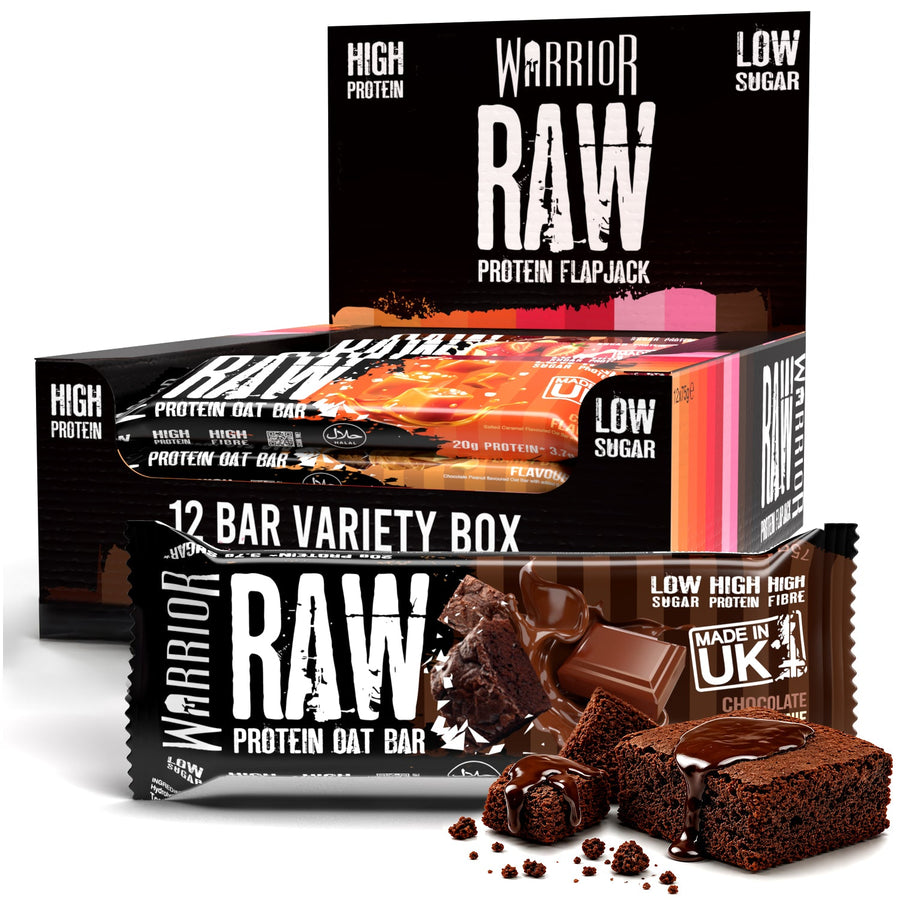
- A Warrior RAW bar on the way from work: 20g of protein, oats and about £1. Eat it an hour or more before you roll.
What should you eat after BJJ?
A proper meal with protein and carbs, within a couple of hours. If dinner is a long way off, have a protein shake straight after. A 30g serving of Warrior Serious Protein gives 24g of protein. Protein contributes to the growth and maintenance of muscle mass.
What does a BJJ diet plan look like?
Here is a sample day for someone who trains after work:
| Time | Meal | Example |
|---|---|---|
| 7am | Breakfast | Three eggs on wholemeal toast, fruit, creatine in a drink |
| 12:30pm | Lunch | Chicken, rice and veg, or a big chicken salad sandwich |
| 4:30pm | Pre-class snack | A Warrior RAW bar and a banana |
| 6 to 7:30pm | Training | Water, with electrolytes if it's a long or hot session |
| 8pm | Dinner | Mince or beans with pasta and veg, or salmon, potatoes and greens |
| 9:30pm | Optional | Greek yoghurt or a protein shake |
Train at 6am instead? Have a small snack before (a banana or half a bar), train, then eat a big breakfast with protein and carbs afterwards.
What about drinks and electrolytes?
A gi is like training in a duvet, and you can lose a lot of sweat in a long session. Weigh yourself before and after class a few times to learn your sweat losses. The position statement suggests drinking about 1.25 to 1.5 litres for every kilo lost. For long or hot sessions, adding electrolytes to your drink helps replace the sodium and other minerals you lose in sweat. Warrior Creatine + Electrolytes gives you that and your daily creatine in one scoop.
How do you eat well for BJJ on a budget?
- Cheap protein: eggs, tinned tuna, chicken thighs, mince, beans, Greek yoghurt and milk.
- Cheap carbs: oats, rice, pasta, potatoes and bread.
- Batch cook: two big cooks a week covers most lunches and dinners.
- Kit bag snacks: keep a Warrior RAW bar in your bag so you're not stuck with a petrol station sausage roll.
See our guide to protein on a budget and the best supplements for BJJ.
Common questions
How many calories does a BJJ athlete need?
It varies hugely with size and training. Track your weight for two weeks while eating normally. If it's steady, that's your maintenance; adjust by a few hundred calories a day to lose or gain.
Should I eat carbs before BJJ?
Yes. Carbs are the main fuel for hard, repeated efforts. A carb-based snack 1 to 3 hours before helps you keep your intensity.
Is it bad to train BJJ on an empty stomach?
An easy early session can be fine, but hard sparring usually goes better with something in the tank. Try a banana or half a bar.
How do I cut weight for a BJJ competition?
Slowly, over weeks, with protein kept high. In many BJJ events you weigh in just before your first match, so dehydrating to make weight is a bad idea.
The bottom line
A BJJ diet plan doesn't need to be complicated: enough protein every day, more carbs on hard training days, a light snack before class, a real meal after, and fluids to match your sweat. Do it consistently and you'll train harder and recover better between sessions. For the snack that fits in your kit bag, shop Warrior RAW.
Sources
- Thomas DT, Erdman KA, Burke LM (2016). Position of the Academy of Nutrition and Dietetics, Dietitians of Canada, and the American College of Sports Medicine: nutrition and athletic performance. Journal of the Academy of Nutrition and Dietetics 116(3):501-528. https://doi.org/10.1016/j.jand.2015.12.006
- Jäger R et al. (2017). International Society of Sports Nutrition position stand: protein and exercise. Journal of the International Society of Sports Nutrition 14:20. https://doi.org/10.1186/s12970-017-0177-8
- Reale R, Slater G, Burke LM (2017). Acute-weight-loss strategies for combat sports and applications to Olympic success. International Journal of Sports Physiology and Performance 12(2):142-151. https://doi.org/10.1123/ijspp.2016-0211
- Tesco: Warrior RAW Protein Flapjack Peanut Butter Cup 75g (£1.00; 20.1g protein). https://www.tesco.com/shop/en-GB/products/321030370 (checked 19 November 2026)
- Warrior: Warrior Serious Protein 500g (24g protein per 30g serving). https://teamwarrior.com/products/warrior-serious-protein-500g (checked 19 November 2026)
- Great Britain nutrition and health claims (NHC) register. https://www.gov.uk/government/publications/great-britain-nutrition-and-health-claims-nhc-register
 Shop the guideWarrior RAW Protein Bar - 12 x 75g Bars
From £11.99